The Grateful Dead’s Grand Experiment, Half a Century Later

Jeff Burger's avatarBy Jeff Burger

Anthem of the SunI was among those who felt some affection for the Grateful Dead’s 1967 debut album, but perhaps that’s because I hadn’t seen them live by the time of its release. Most people who had—including the group themselves—said that the record paled in comparison. It barely made a dent in the charts and garnered weak reviews.

The gap between the Dead’s live shows and their studio work bothered the band, but the lack of commercial success apparently didn’t. Instead of looking for a hit in the wake of their disappointing debut, they focused on capturing the improvisational nature of their concerts and on innovating. They spent so long on these pursuits—half a year—that Joe Smith, the Warner Bros. A&R man who’d signed the band, wrote to them to insist that they promptly wrap up and send over the masters. The Dead responded by underlining the passages they most disliked in…

View original post 977 more words

Provo

1960s: Days of Rage's avatar1960s: Days of Rage


Provo was a Dutchcounterculturemovement in the mid-1960s that focused on provoking violent responses from authorities using non-violent bait. It was preceded by the nozem movement and followed by the hippie movement. Provo was founded, on 25 May 1965, by Robert Jasper Grootveld, an anti-smoking activist, and the anarchistsRoel van Duijn and Rob Stolk. The term was used for the movement as a whole and for individual members. Provo was officially disbanded on 13 May 1967. The Provos are thought to have evolved out of the artist Robert Jasper Grootveld‘s anti-smoking happenings in June 1964. The following year other groups appeared as a fusion of small groups of youths sympathetic with the pacifist ban-the-bomb movement. Roel van Duijn is thought to have been the group’s theorist, influenced by anarchism, Dadaism, Herbert Marcuse and the Marquis de Sade. The Provos borrowed their name…

View original post 190 more words

The Musicians’ Olympus: Ric Grech (bass / violin)

Ric Grech (bass / violin)


BANDS:

BAND PERIOD DETAILS
The Berkeley Squares  
Exciters  
The Farinas [1965-1966]
The Roaring Sixties  
Family [1967-May 69] 4 albums + 2 compilations
Blind Faith [May 69-Aug 69] 2 albums
Airforce [Jan 70-May 70] 1 album + 1 compilation
John Mayall Band [Jun 70] (1 gig)
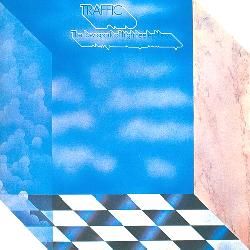
Traffic [Aug 70-Dec 71] 2 albums + 2 compilations
Eric Clapton & The Palpitations [Jan 73] (2 gigs) 2 albums + 4 compilations
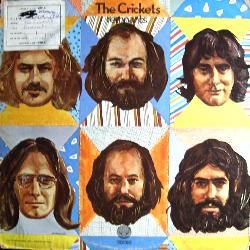
The Crickets [1973-1974] 4 albums
Johnny Rivers Band [1973-1974]
Charge [1974]
Ric Grech Band   1 compilation
KGB [1975] 1 album
Ric Grech Band (again) [Dec 75-Jun 76]
Square Dancing Machine [Jun 76-1976]
Denny Laine Band [1983-1984]

BIOGRAPHY:

Ric Grech

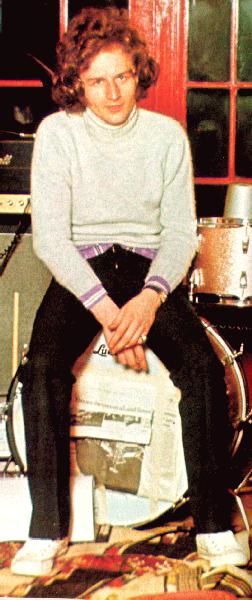
Very fine bassist as well as violin player, I always liked his style since I first heard him in the Blind Faith album. I felt very sad when I read of his sad death, he always seemed so young, with his pretty face. Ric Grech was born Richard Roman Grech on November 1st, 1946, in Bordeaux, France, but grew up in Leicester, England. He died on March 17th, 1990 at Gwendolen Road Hospital, Leicester. He suffered a cerebral haemorrhage, and this was followed by a combined kidney and liver failure. He was 43, too sad. 😦

One note: you´ll see him credited in albums as Rick Grech, even as Rich Grech, but my guess is that the most accurate name he used is Ric Grech.


THE BERKELEY SQUARES


Berkeley Squares was a band from Leicester, formed by Martin Osborn. This was Ric Grech first band, and Martin taught Ric to play guitar as he originally came to music via violin and was first violinist in the Leicester Youth Orchestra for a while:

THE BERKELEY SQUARES #?
?
Martin Osborn
guitar
+ others unknown to me. Help!

If someone can help with additional info, it would be very welcomed.


OTHER EARLY BANDS…


Roger Chapman and Ric Grech played in a band with guitarist Stuart Brown, before they went to Farinas. Does anybody know the band name or more details, please? Maybe the band name was Exciters?

He also formed a band with brothers Ray Martinez (guitar) and Paul Martinez (bass), but again, can´t find more info.


THE FARINAS


This band was the seed for Family group. Also known as Jim King And The Farinas, it was formed by Jim King and guitarist Charlie Whitney in 1962. Ric Grech joined them in 1965:

THE FARINAS #2
1965-1966
Charlie Whitney
guitar, vocals
Ric Grech †
bass
Jim King
sax
Harry Overnall
drums

They played good strong R&B stuff.

In 1966, singer Roger Chapman joined The Farinas:

THE FARINAS #3
1966
Roger Chapman
vocals
Charlie Whitney
guitar, vocals
Ric Grech †
bass
Jim King
sax
Harry Overnall
drums
The Roaring Sixtiesê

With Chapman, they also started to play Sam & Dave soul covers. But they soon changed their name to The Roaring Sixties.

Other info on members of The Farinas (I know up to 6 members)
To be covered (3): Roger Chapman, Jim King, Charlie Whitney

THE ROARING SIXTIES


The Roaring Sixties was the new name for The Farinas in 1966:

THE ROARING SIXTIES #1
1966
êThe Farinas
êThe Farinas
êThe Farinas
êThe Farinas
êThe Farinas
Roger Chapman
vocals
Charlie Whitney
guitar, vocals
Ric Grech †
bass
Jim King
sax
Harry Overnall
drums
Familyê
Familyê
Familyê
Familyê

In mid 1967, they changed their name again to The Family, then changing their drummer.

Other info on members of The Roaring Sixties (I know up to 5 members)
To be covered (3): Roger Chapman, Jim King, Charlie Whitney

FAMILY


Family

Family

Originall called The Family (although they soon dropped the ´The´ part of the name) at the suggestion of Kim Fowley, this was their first lineup, in mid 1967:

FAMILY #1
1967-May 69
êThe Roaring Sixties
Roger Chapman
vocals
Charlie Whitney
guitar
Ric Grech †
bass, violin, vocals
Jim King
sax
Rob Townsend
drums
Blind Faithê

They recorded their first single, ´Scene Through The Eye Of A Lens / Gypsy woman´ in October 1967, with no success.

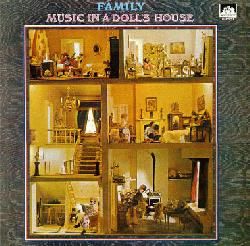
Their first album, Music in a doll´s house, was produced by Traffic guitarist, Dave Mason. At the same time, the band backed Dave Mason in the B-side of his first single.

After their second album, Family entertainment, Ric surprised everybody when he left the band in the middle of a tour in May 1969, to join the first supergroup ever, Blind Faith.

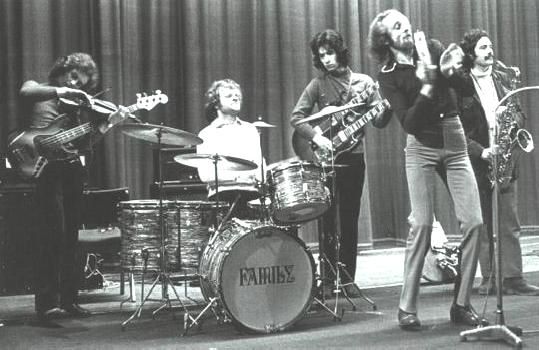
Family in 1968 – from left ro right: Ric Grech, Rob Townshend, Charlie Whitney, Roger Chapman, Jim King

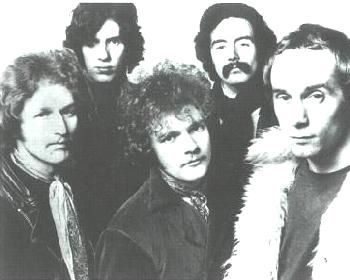
Family – from left ro right: Ric Grech, Charlie Whitney, Rob Townshend, Jim King, Roger Chapman

Other info on members of Family (I know up to 10 members)
Old pages (1): Jim Cregan
To be covered (8): Tony Ashton, Roger Chapman, Jim King, Poli Palmer, Rob Townsend, John Weider, John Wetton, Charlie Whitney

BLIND FAITH


Blind Faith – from left to right Steve Winwood, Eric Clapton, Ric Grech, Ginger Baker

With these talents together, the less-known boy was Ric Grech, who was asked to leave Family and join Blind Faith in May 1969:

BLIND FAITH #2
May 69-Aug 69
êFamily
Steve Winwood
keyboards, vocals
Eric Clapton
guitar, vocals
Ric Grech †
bass, violin
Ginger Baker
drums

They released only one album, Blind Faith, published in August 1969. I like it, although I must reckon it has some not-very fortunate tracks. But there are some others that were converted into real classics, like ´Presence of the Lord´ or ´Can’t find my way home´. It also includes a Buddy Holly rendition, ´Well all right´ (years later covered by Santana). We can find a beautiful violin solo by Ric in the song ´Sea of joy´. There´s a deluxe edition as 2CD with 5 unreleased tracks and 4 long jams as a trio (still without Ric, but with percussionist Guy Warren from Ghana, a close friend of Ginger Baker).

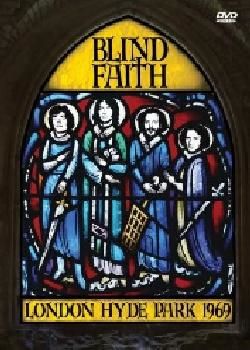
They made their live debut as the main attraction in a huge concert in Hyde Park in June 1969, who also was attended by ´new´ bands like King Crimson. This was followed by a Scandinavian tour in July 1969, before moving to the States for another tour.

The story of this band was really short, as it seems that Eric Clapton´s original idea was quickly abandoned for a humble stay as sideman in Delaney & Bonnie’s band (the opening band for Blind Faith), far from stardom. They simply disbanded in August 1969 after their last gig. After a while, all but Clapton stayed together under Ginger Baker´s Airforce name.

Blind Faith – from left to right Steve Winwood, Ginger Baker, Eric Clapton, Ric Grech

Other info on members of Blind Faith (I know up to 4 members)
To be covered (3): Ginger Baker, Eric Clapton, Steve Winwood

UNNAMED BAND


Soon after Blind Faith´s separation, Clapton and some friends recorded some sessions at Olympic Studios in London, but none from it was ever released. Some of the musicians were:

UNNAMED BAND #1
1970
Eric Clapton
guitar
George Harrison †
guitar
Denny Laine
guitar
Trevor Burton
guitar
Ric Grech †
bass

Laine and Burton were at this time in the band Balls. And Clapton finally joined permanently to Delaney & Bonnie. It was also published in the press in August 1970 that Balls were recording 12 tracks for an album that was never released, and Ric Grech played in some of those tracks, but they´re maybe speaking of these same sessions.

I guess these sessions included the tracks ´Spending All My Days´ and ´Exchange And Mart´, recorded in October 1969 by Ric with George Harrison, Trevor Burton and Denny Laine. These two tracks appear as bonus tracks in a rare German reissue of the Blind Faith album.

Other info on members of Unnamed Band (I know up to 5 members)
Old pages (1): Denny Laine
To be covered (3): Trevor Burton, Eric Clapton, George Harrison

GINGER BAKER´S AIRFORCE


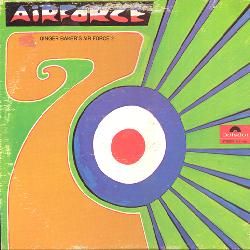
This free-form outfit was assembled by Ginger Baker. The list of musicians wasn’t stable, in the jazz tradition. They started their short career in January 1970.

They soon released their first album, Airforce, with this personnel:

AIRFORCE #1
Jan 70
êBlind Faith
êBlind Faith
êBlind Faith
Jeanette Jacobs †
vocals
Denny Laine
guitar
Ric Grech †
bass
Steve Winwood
keyboards
Graham Bond †
keyboards, sax
Harold McNair †
flute, sax
Chris Wood †
sax, flute
Remi Kabaka
percussion
Ginger Baker
drums
Phil Seamen †
drums
Trafficê

With some other guests, like Bud Beadle (sax) and Steve Gregory (flute, sax) (later both in Gonzalez), Colin Gibson (bass), all of them were to join the band later.

In February 1970, Winwood leaves the band to reform Traffic again (where Chris Wood soon would join).

This is a slightly different lineup for Airforce from March to May 1970, when Steve Winwood had already left:

AIRFORCE #2
Mar 70-May 70
Jeanette Jacobs †
vocals
Denny Laine
guitar
Ric Grech †
bass
Graham Bond †
keyboards, sax
Harold McNair †
flute, sax
Chris Wood †
sax, flute
Remi Kabaka
percussion
Ginger Baker
drums
Phil Seamen †
drums
Trafficê

This is a enlarged lineup for Airforce in May 1970:

AIRFORCE #?
May 70
Jeanette Jacobs
vocals
Eleanor Barooshian
vocals
Denny Laine
guitar
Trevor Burton
guitar
Ric Grech †
bass
Graham Bond †
keyboards, sax
Harold McNair †
flute, sax
Bud Beadle
sax
Steve Gregory
sax
Remi Kabaka
percussion
Ginger Baker
drums
Phil Seamen †
drums
Alan White
drums
Trafficê

And then, Ric Grech left to join Traffic in August 1970.

Other info on members of Airforce (I know up to 21 members)
Already covered (2): Speedy AcquayeAliki Ashman
Old pages (2): Colin GibsonDenny Laine
To be covered (16): Ginger Baker, Eleanor Barooshian, Bud Beadle, Graham Bond, Trevor Burton, Kenny Craddock, Steve Gregory, Joni Haastrup, Jeanette Jacobs, Remi Kabaka, Harold McNair, Phil Seamen, Diane Stewart, Alan White, Steve Winwood, Chris Wood

JOHN MAYALL BAND


In June 1970, John Mayall was to play at the Bath Festival of Blues and Progressive Music. But, not having a stable band at the time, he asked some of his old friends to play with him. See the surprising one-off lineup! Peter Green, not long ago leaving Fleetwood Mac, bassist Ric Grech, and drummer Aynsley Dunbar! WOW!

JOHN MAYALL BAND #?
Jun 70
John Mayall
vocals, harmonica, keyboards, guitar
Peter Green
guitar, vocals
Ric Grech †
bass
Aynsley Dunbar
drums
Other info on members of John Mayall Band (I know up to 88 members)
Already covered (4): Davy GrahamKeef HartleyDick Heckstall-SmithChris Mercer
Old pages (6): Rick BrownAynsley DunbarPeter GreenJimmy McCullochTony ReevesMicky Waller
To be covered (77): Colin Allen, Johnny Almond, Rocky Athas, Ronnie Barron, Jack Bruce, Warren Bryant, Tom Canning, Eric Clapton, Fred Clark, Rick Cortes, Jay Davenport, Roger Dean, Alex Dmochowski, Tim Drummond, Terry Edmunds, Mick Fleetwood, Hughie Flint, Andy Fraser, Mike Gardner, Victor Gaskin, John Gilbey, Don ´Sugarcane´ Harris, High Tide Harris, Martin Hart, Bobby Haynes,… up to 77 musicians.

TRAFFIC


Ric Grech rejoined his colleagues Steve Winwood and Chris Wood in Traffic, in August 1970:

TRAFFIC #3
Aug 70-May 71
êAirforce
Steve Winwood
keyboards, vocals, guitar
Ric Grech †
bass
Chris Wood †
sax, flute
Jim Capaldi †
drums, vocals

They wrote the music for a film called Nevertheless, but the film was never done.

In May 1971, they enrich Traffic with 3 more members:

TRAFFIC #4
May 71-1971
êAirforce
Steve Winwood
keyboards, vocals, guitar
Dave Mason
guitar, vocals
Ric Grech †
bass
Chris Wood †
sax, flute
Rebop Kwaku Baah †
percussion
Jim Capaldi †
drums, vocals
Jim Gordon
drums

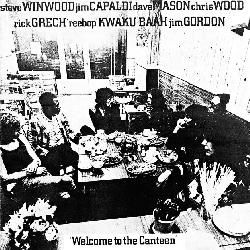
They released a live album, Welcome to the canteen. I must say that it’s not really credited to Traffic, but to the names of the 7 musicians, but no doubt it’s a Traffic album. I love this album, although it lacks a very bad sound. It contains fantastic performances, and some songs from Winwood’s former band, Spencer Davis Group. I hope someday it will be remastered or enhanced, it deserves the task!

Soon after this album, Dave Mason leaves the band again.

Traffic – from left to right: Chris Wood, Ric Grech, Jim Gordon, Rebop Kwaku Baah, Jim Capaldi, Steve Winwood

During 1971, Traffic becomes a sextet with Dave Mason´s departure:

TRAFFIC #5
1971-Dec 71
Steve Winwood
keyboards, vocals, guitar
Ric Grech †
bass
Chris Wood †
sax, flute
Rebop Kwaku Baah †
percussion
Jim Capaldi †
drums, vocals
Jim Gordon
drums

The new lineup released another album, The low spark of high heeled boys. I like the song ´Rainmaker´ a lot.

But in December 1971, Ric and Jim Gordon leave the band.

Other info on members of Traffic (I know up to 14 members)
To be covered (13): Rebop Kwaku Baah, Barry Beckett, Randall Bramblett, Jim Capaldi, Rosko Gee, Jim Gordon, Roger Hawkins, David Hood, Dave Mason, Mike McEvoy, Walfredo Reyes Jr, Steve Winwood, Chris Wood

ERIC CLAPTON BAND (aka THE PALPITATIONS)


from left to right: Wood, Grech, Clapton, Townshend

Due to his problems with drug addiction, Eric Clapton had disappeared from musical scene since 1971. Now it was 1973, and his friend Pete Townshend convinced him to come back to music. To encourage him, Pete Townshend brought some old Eric friends to help him feel comfortable. The band was funnily called The Palpitations, because of the nervous state all they shared for if Eric finally didn’t appear to play:

ERIC CLAPTON BAND #?
Jan 73
êFaces
êThe Who
êTraffic
êTraffic
êTraffic
Eric Clapton
vocals, guitar
Ron Wood
guitar
Pete Townshend
guitar
Ric Grech †
bass
Steve Winwood
keyboards, vocals
Rebop Kwaku Baah †
percussion
Jim Capaldi †
drums
Jim Karstein
drums
Facesê
The Whoê
Trafficê
Trafficê
Trafficê

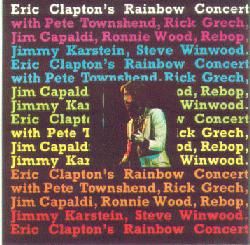
They played together for a week, preparing the two concerts, to be made on January 13, 1973. A live album was released in September 1973 from those concerts, but it lacked a poor sound and even a poorer selection of tracks (only 6 tracks). It was a sad thing after all the interest they all took on succeed. But … this has been solved after 15 years. Now there is a extended edition from those concerts, the sound has been remastered (and incredibly enhanced!), and now we haven´t 6, but 14 tracks!!! A superb album. I loved the original in spite of all, but this one is really fantastic!!

from left to right: Ronnie Wood, Eric Clapton, Ric Grech and Pete Townshendfrom left to right: Grech, Wood, Townshend, Clapton, Capaldi

Other info on members of Eric Clapton Band (I know up to 74 members)
Already covered (3): Dave BronzeDonald ´Duck´ DunnTim Renwick
Old pages (9): Gary BrookerLaura CreamerMichael KamenKatie KissoonMarcy LevyShaun MurphyJamie OldakerHenry SpinettiChris Stainton
To be covered (61): Rebop Kwaku Baah, Doyle Bramhall II, Randy Brecker, Jim Capaldi, Tim Carmon, Chyna, Eric Clapton, Alan Clark, Simon Clarke, Phil Collins, Ray Cooper, Kenneth Crouch, Ronnie Cuber, Paulinho Da Costa, Alan Darby, David Delhomme, Nathan East, Yvonne Elliman, Andy Fairweather Low, Steve Ferrone, Gina Foster, Steve Gadd, Roger Hawkins, Richie Hayward, Charlean Hines,… up to 61 musicians.

THE CRICKETS


This was the band for rock’n’roll pioneer Buddy Holly. He died in 1959, but his band is still alive and rockin’ today. Around 1973, Ric Grech joined them:

THE CRICKETS #?
1973
Sonny Curtis
guitar, vocals
Ric Grech †
bass
Glen D Hardin
piano
Jerry Allison
drums

But before the tour was started, Ric Grech convinced great guitarist Albert Lee to join The Crickets:

THE CRICKETS #?
1973-May 74
Sonny Curtis
guitar, vocals
Albert Lee
guitar
Ric Grech †
bass
Glen D Hardin
piano
Jerry Allison
drums

Albert Lee spent until May 1974 with them, recording three albums, as far as I know.

Other info on members of The Crickets (I know up to 13 members)
To be covered (2): Glen D Hardin, Albert Lee

JOHNNY RIVERS BAND


This was the Johnny Rivers Boogie Band in September 1973:

JOHNNY RIVERS BAND #?
1973
Johnny Rivers
vocals
Ric Grech †
bass
Tony Ashton †
keyboards
Dave Kelper

And this was the lineup of the Johnny Rivers Boogie Band that played in Spain in September 1974:

JOHNNY RIVERS BAND #?
1974
Johnny Rivers
vocals
Ric Grech †
bass
Zoot Money
keyboards
Patrick Doheny
Dave Kelper
Other info on members of Johnny Rivers Band (I know up to 8 members)
To be covered (4): Tony Ashton, Mickey Jones, Zoot Money, John York

CHARGE


This was a project by Ian Green. They released a self-titled album, Charge in 1974, and assembled a different lineup for a few gigs. I can´t find proper info about the complete lineups, but Ric Grech played here, although he doesn´t appear in the album:

CHARGE #?
1974
Rosetta Hightower
vocals
Ric Grech †
bass, violin, guitar
Ian Green
keyboards
+ others unknown to me. Help!

Please, any info about this band would be very welcomed!

Other info on members of Charge (I know up to 10 members)
To be covered (9): Andy Dalby, Smiley De Jones, Ian Green, Rosetta Hightower, Neil Hubbard, Godfrey McLean, Alan Spenner, Lee Vanderbilt, Mike Woods

RIC GRECH BAND


I think that after leaving The Crickets, Ric tried to form his own band, but I don’t know details about it. Can anybody help me, please? I also know he tried to make a band with fantastic Spanish guitarist Ray Gomez, but I don’t know if both bands are really the same:

RIC GRECH BAND #?
?
Ric Grech †
bass, vocals
Ray Gomez
guitar
+ others unknown to me. Help!

KGB


KGB – from left to right: Carmine Appice (bottom), Ric Grech, Barry Goldberg, Mike Bloomfield (bottom), Ray Kennedy

KGB was a band formed in 1975, with great expectations, due to so much famous musicians being part of the project:

KGB #1
1975
Ray Kennedy
vocals
Mike Bloomfield †
guitar
Ric Grech †
bass
Barry Goldberg
keyboards
Carmine Appice
drums

A really superb lineup. But, as many times happen, they hadn´t the success they deserved, and after their first album, KGB, Ric and Mike Bloomfield left the band.

Other info on members of KGB (I know up to 7 members)
To be covered (6): Carmine Appice, Mike Bloomfield, Barry Goldberg, Ray Kennedy, Ben Schultz, Greg Sutton

RIC GRECH BAND (again)


Ric Grech settled back in Leicester around Autumn 1975, and started looking at the local music scene. In December 1975, he started played his first gigs, with an existing band The Lentones:

RIC GRECH BAND #?
1975-1976
Ric Grech †
violin, guitar, vocals
Al Sansome
guitar
John Cusack
bass
Mickey Fleming
drums, accordion
+
Claire Hamill
vocals, sometimes
Mick Pini
guitar, sometimes

This line-up continued to play a number of gigs around the Midlands, sometimes being called The Ric Grech Band and augmented on occasion by a fine blues musician from Leicester, Mick Pini on guitar and the lovely Clare Hammill on vocals.

It is interesting to point out here that Ric never played bass here, only violin and acoustic guitar.

After a while, they changed the musicians and started adopting the new name Square Dancing Machine.

Other info on members of Ric Grech Band (I know up to 7 members)
To be covered (2): Ray Gomez, Claire Hamill

SQUARE DANCING MACHINE


Ric Grech renamed his band as Square Dancing Machine in June 1976:

SQUARE DANCING MACHINE #1
Jun 76
Ric Grech †
guitar, violin, vocals
Al Sansome
guitar
Mickey Fleming
guitar, accordion, vocals
Dave Seddons
pedal steel guitar
John Cusack
bass
Howard Coley
drums

After their first gig in June 1976 at Colchester University, Ric played the rest of the tour with the Leicester band Captain Video supporting him.

That tour resulted in a 2nd lineup of Square Dancing Machine, when the lineup of Captain Video joined Ric:

SQUARE DANCING MACHINE #2
1976
Ric Grech †
guitar, violin, vocals
Claire Hamill
vocals
Mick Pini
guitar
Tony Taylor
guitar
Les
pedal steel guitar
Mick White
bass
Howard Coley
drums

Claire Hamill joined them in April 1976. This lineup lasted just the summer of 1976, playing a mini-tour of UK, London, Leicester, Scarboro, etc.

They recorded one single, ´Ashes Of Love´, with The Who´s sound engineer Bob Pridden, but this was never released. After that, they split.

Other info on members of Square Dancing Machine (I know up to 11 members)
To be covered (1): Claire Hamill

DANNY PEYRONEL-DENNY LAINE BAND


Danny Peyronel was living in Spain at that time, and the band where he was, Banzai, was over, so he contacted Denny Laine (who had been previously living in Spain) to form a band. Denny surprisingly brought his former colleagues Ric Grech and Ginger Baker with him:

DENNY LAINE BAND #?
?
Danny Peyronel
vocals, keyboards
Denny Laine
vocals, guitar
Ric Grech †
bass
Ginger Baker
drums

And that happened in Spain! Unfortunately, the project went nowhere, when a Spanish producer tried to record them. Oh, so there will be some tapes from that project? That would be great!!

Other info on members of Denny Laine Band (I know up to 28 members)
Already covered (2): Cliff BartonBinky McKenzie
Old pages (2): Denny LaineDanny Peyronel
To be covered (14): Ginger Baker, Trevor Burton, Steve Holley, Andy Leigh, John Morshead, Jamie Moses, Gary Nuttall, John Pearson, Mike Piggott, Viv Prince, Andy Richards, Gordon Sellar, Steven Thompson, Ted Tomlin

AND THEN…


And I don’t know many more things about him till his sad death in 1990. Can anybody help me, please?

I include here some facts I´ve been reading along the years, related to Ric.

Around 1980, Ric occasionally sat in and jammed with Carl Shimmings´ jazz band that played on Sunday nights at the Old Horse Pub in London Road, Leicester. He only played violin as Carl played bass and led the band.

In October 1985, the band called The Rent (although billed as the Geoff Overon Blues Band on that occasion) was playing at the Phoenix Theater in Leicester on one of the regular Sunday lunchtime jazz sessions. Ric sat on violin for the last few numbers in the set, and this fantastic photo (courtesy of Graeme Malen) shows Ric, Geoff Overon on guitar and Graeme Malen on the drums, finishing the very last song.

The Rent (aka Geoff Overon Blues Band) – from left to right: Ric Grech, Geoff Overon, Graeme Malen – copyright of the photo: Graeme Malen


SOLO ALBUMS


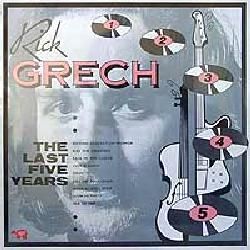
Ric Grech has one album under his name, The last five years, but it’s not really a new album, but a compilation of songs where he played and mostly wrote (with Family, Blind Faith and Airforce).

This page is dedicated with my love to Ric. It was one of the first pages I ever wrote, back in January 1998. Many years have passed, and I still love Ric´s playing.


UNRELEASED PROJECTS:

  • Ric Grech played with The Rolling Stones in the sessions for their Beggars Banquet album, although he doesn’t appear in the finished album. In March 1969 he played in a different take of ´Street fighting man´ along with Jim King and Roger Chapman on backing vocals.
  • Still in The Rolling Stones sessions for their Beggars Banquet album, in May 1969, Ric Grech played violin in a variation of the song ´Factory girl´ along with Dave Mason. Other people attending those sessions include: Rocky Dijon (percussion), Marianne Faithfull & Anita Pallenberg (backing vocals), as well as Nicky Hopkins (piano). All produced by Jimmy Miller.
  • After leaving Family, Poli Palmer tried to form a new band with Ric, around 1972, but it didn´t work out.
  • In June 1973, the band Sharks, led by guitar genius Chris Spedding, recorded some tracks (some with Pat Donaldson on bass, some with Ric Grech), but sadly, they still remain unreleased.
  • In October 1974, Jimmy Page recorded a song called ´Scarlet´ with Keith Richards on vocals and guitar, Ric Grech on bass, Ian ´Stu´ Stewart on piano and Bruce Rowland on drums. It was never released.

DISCOGRAPHY: (59 albums known to me – Status: Completed)

OWN COMPILATIONS (1 credit)

    • The Last five years – Rick Grech (1973)

    • Members: Ginger Baker, Eric Clapton, Steve Winwood (RIP: Ric Grech)
    • Comments: Compilation of tracks co-written by Ric where he also appeared.

ALBUMS AS A BAND MEMBER (17 credits)

    • Scene Through The Eye Of A Lens / Gypsy woman (SINGLE) – The Family (10/1967)
      • Members: Roger Chapman, Jim King, Rob Townsend, Charlie Whitney (RIP: Ric Grech)
      • Producer: (RIP: Jimmy Miller)
      • Comments: This single (still credited to The Family) was not part of any Family album, but a CD reissue of their first two albums (Music in a doll house and Family entertainment) includes both songs as bonus tracks.
    • Music in a doll´s house – Family (07/1968)

      • Members: Roger Chapman, Jim King, Rob Townsend, Charlie Whitney (RIP: Ric Grech)
      • Guests: Mike Batt
      • Producer: Dave Mason (RIP: Jimmy Miller)
    • Family entertainment – Family (03/1969)

      • Members: Roger Chapman, Jim King, Rob Townsend, Charlie Whitney (RIP: Ric Grech)
      • Producer: John Gilbert, Glyn Johns
    • Blind Faith – Blind Faith (08/1969)

      • Members: Ginger Baker, Eric Clapton, Steve Winwood (RIP: Ric Grech)
      • Producer: (RIP: Jimmy Miller)
      • Comments: There´s a deluxe edition as a 2CD with additional tracks and long jams.
    • Airforce – Ginger Baker´s Airforce (03/1970)

      • Members: Ginger Baker, Remi Kabaka, Denny Laine, Steve Winwood (RIP: Graham Bond, Ric Grech, Jeanette Jacobs, Harold McNair, Phil Seamen, Chris Wood)
    • Airforce 2 – Ginger Baker´s Airforce (10/1970)

      • Members: Aliki Ashman, Ginger Baker, Bud Beadle, Colin Gibson, Steve Gregory, Denny Laine, Diane Stewart (RIP: Speedy Acquaye, Graham Bond, Kenny Craddock, Ric Grech, Harold McNair)
      • Guests: Rocky Dzidzornu
    • Rockin´ 50 rock´n´roll – The Crickets (1971)
    • Welcome to the canteen – Winwood / Capaldi / Mason / Wood / Grech / Gordon / Baah (09/1971)

      • Members: Jim Gordon, Dave Mason, Steve Winwood (RIP: Rebop Kwaku Baah, Jim Capaldi, Ric Grech, Chris Wood)
      • Comments: Recorded live in July 1971.
    • The Low spark of high heeled boys – Traffic (11/1971)

      • Members: Jim Gordon, Steve Winwood (RIP: Rebop Kwaku Baah, Jim Capaldi, Ric Grech, Chris Wood)
      • Comments: Some CD reissues contain 1 bonus track (co-written by Ric Grech and Jim Gordon).
    • Bubblegum, pop, ballads and boogie – The Crickets (1973)
      • Members: Glen D Hardin (RIP: Ric Grech)
      • Guests: Pete Townshend
    • Remnants – The Crickets (1973)

    • Rainbow concert – Eric Clapton (09/1973)

      • Members: Eric Clapton, Jim Karstein, Pete Townshend, Steve Winwood, Ron Wood (RIP: Rebop Kwaku Baah, Jim Capaldi, Ric Grech)
    • A Long way from Lubbock – The Crickets (04/1974)
    • KGB – KGB (1976)

      • Members: Carmine Appice, Barry Goldberg, Ray Kennedy (RIP: Mike Bloomfield, Ric Grech)
    • Rainbow concert (expanded edition) – Eric Clapton (July 1995) (LIVE)

      • Members: Eric Clapton, Jim Karstein, Pete Townshend, Steve Winwood, Ron Wood (RIP: Rebop Kwaku Baah, Jim Capaldi, Ric Grech)
      • Producer: Jon Astley, Bill Levenson
      • Technical: Glyn Johns, Tim Young
      • Comments: Expanded edition of the original live album, with 8 additional, unreleased songs.
      • My opinion: Fantastic, love it!
    • BBC Radio volume one 1968-69 – Family (2004)

      • Members: Roger Chapman, Jim King, Rob Townsend, John Weider, Charlie Whitney (RIP: Ric Grech)
      • Comments: This album contains live radio appearances from 1968 (6 tracks) and 1969 (10 tracks).
    • Live in Hyde Park – Blind Faith (09/2005)

    • Members: Ginger Baker, Eric Clapton, Steve Winwood (RIP: Ric Grech)
    • Comments: Live DVD recorded on the band´s debut in June 1969.

COMPILATIONS AS A BAND MEMBER (11 credits)

    • Old songs new songs – Family (1971)
      • Members: Roger Chapman, Jim King, Poli Palmer, Rob Townsend, John Weider, Charlie Whitney (RIP: Ric Grech)
      • Producer: John Gilbert, Glyn Johns, Eddie Kramer, Dave Mason (RIP: Jimmy Miller)
      • Technical: George Chkiantz
    • Winwood – Steve Winwood (1971)
      • Members: Ginger Baker, Eric Clapton, Spencer Davis, Dave Mason, Muff Winwood, Steve Winwood, Pete York (RIP: Jim Capaldi, Ric Grech, Chris Wood)
      • Guests: Brother James
      • Comments: Winwood is not really a new album, but a compilation of songs from earlier Steve bands, including Blind Faith or Spencer Davis Group.
    • At his best – Eric Clapton (1972)

      • Members: Ginger Baker, Eric Clapton, Steve Winwood (RIP: Ric Grech, Carl Radle)
      • Guests: Bonnie Bramlett, Rita Coolidge, Jim Gordon, Bobby Keys, Jim Price, Leon Russell, John Simon, Stephen Stills, Bobby Whitlock (RIP: Duane Allman, Delaney Bramlett)
      • Producer: (RIP: Tom Dowd, Jimmy Miller)
      • Technical: Howard Albert, Ron Albert, Chuck Kirkpatrick
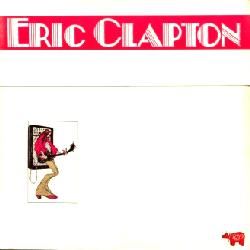
      • Comments: 2LP compilation comprising tracks from Blind Faith, Derek & The Dominos and Eric´s first solo album, Eric Clapton.
    • Best of Family – Family (1974)
      • Members: Roger Chapman, Poli Palmer, Rob Townsend, John Weider, Charlie Whitney (RIP: Ric Grech)
    • Backtrackin´ – Eric Clapton (1984)

      • Members: Ginger Baker, Eric Clapton, Yvonne Elliman, Jim Gordon, Albert Lee, Marcy Levy, Dave Markee, Jamie Oldaker, Henry Spinetti, Chris Stainton, George Terry, Bobby Whitlock, Steve Winwood(RIP: Ric Grech, Carl Radle, Dick Sims)
      • Guests: Bonnie Bramlett, Mel Collins, Rita Coolidge, Jim Fox, Albhy Galuten, Al Jackson, Leon Russell (RIP: Duane Allman, Delaney Bramlett)
      • Comments: 2LP compilation with tracks by Cream, Blind Faith, Derek & The Dominos as well as from Eric´s solo albums. Some of the tracks are live recordings.
    • Crossroads – Eric Clapton (April 1988)
      • Members: Ginger Baker, Bonnie Bramlett, Randy Brecker, Gary Brooker, Jack Bruce, Eric Clapton, Alan Clark, Phil Collins, Rita Coolidge, Ray Cooper, Chris Dreja, Nathan East, Yvonne Elliman, Hughie Flint, Jim Gordon, Roger Hawkins, Tex Johnson, Bobby Keys, Katie Kissoon, Albert Lee, Marcy Levy, Dave Markee, Dave Mason, John Mayall, Jim McCarty, John McVie, Shaun Murphy, Andy Newmark, Tessa Niles, Jamie Oldaker, Sergio Pastora, Greg Phillinganes, Jim Price, Peter Robinson, Leon Russell, Paul Samwell-Smith, Henry Spinetti, Chris Stainton, George Terry, Bobby Whitlock, Steve Winwood, Ron Wood(RIP: Delaney BramlettDonald ´Duck´ DunnRic Grech, Carl Radle, Keith Relf, Dick Sims)
      • Guests: Brian Auger, Dave Bargeron, Ry Cooder, Bob Dylan, Jon Faddis, Albhy Galuten, Chuck Kirkpatrick, Leon Pendarvis, Robbie Robertson, John Sambataro, Stephen Stills (RIP: Duane Allman, Michael Brecker, Jesse Ed Davis, George Harrison, Peter Tosh)
      • Producer: Jon Astley, Giorgio Gomelsky, Glyn Johns, Bill Levenson, Phil Spector, Mike Vernon (RIP: Tom Dowd, Jimmy Miller, Felix Pappalardi)
      • Technical: Greg Calbi, Ken Perry
      • Comments: This superb 4CD box set (originally a 6LP set), contains lots of unreleased tracks, covering the whole career of Eric Clapton from their beginning in The Yardbirds, John Mayall’s Bluesbreakers, Cream, Blind Faith, Derek & The Dominos, and his solo career.
    • Smiling phases – Traffic (11/1991)
      • Members: Rosko Gee, Jim Gordon, Roger Hawkins, David Hood, Dave Mason, Steve Winwood (RIP: Rebop Kwaku Baah, Barry Beckett, Jim Capaldi, Ric Grech, Chris Wood)
      • Producer: Chris Blackwell
    • The Finer things – Steve Winwood (March 1995)

      • Members: Ginger Baker, Eric Clapton, Spencer Davis, Al Di Meola, Karen Friedman, Rosko Gee, Jim Gordon, Roger Hawkins, David Hood, Brother James, Mike Lawler, Dave Mason, Paul Pesco, Jerome Rimson, Klaus Schulze, Michael Shrieve, Carole Steele, Pat Thrall, Muff Winwood, Steve Winwood, Pete York (RIP: Rebop Kwaku Baah, Barry Beckett, Jim Capaldi, Ric Grech, Chris Wood)
      • Guests: Jimmy Bralower, Randy Brecker, Jack Bruce, Lew Delgatto, Steve Ferrone, James Ingram, Paul Jones, Remi Kabaka, Chaka Khan, Robbie Kilgore, Tom Malone, Eddie Martinez, Junior Marvin, Bob Mintzer, Rob Mounsey, Andy Newmark, Tessa Niles, John Robinson, Nile Rodgers, Philippe Saisse, John Sussewell, James Taylor, Joe Walsh, Willie Weeks, Mark Williamson, George Young (RIP: Dan Hartman, Andrew Love, Alan Spenner)
      • Producer: Chris Blackwell, Paul Buckmaster, Bill Levenson, Dennis Mackay, Russ Titelman (RIP: Jimmy Miller, Guy Stevens)
      • Technical: Phill Brown, Simon Heyworth, Andy Johns, Glyn Johns, Eddie Kramer, Tom Lord-Alge
      • Comments: The finer things is a 4CD boxset with songs from Steve’s long career. It features tracks by Spencer Davis Group (1964-1967), Eric Clapton And The Powerhouse (1966), Traffic (1967-1969 and 1970-1974), Blind Faith (1969), Winwood/Kebaka/Amao (1973), Stomu Yamash´ta´s Go (1976) and Steve Winwood solo albums (1977 to 1990).
    • Do what you like – Ginger Baker (1998)

      • Members: Aliki Ashman, Ginger Baker, Bud Beadle, Colin Gibson, Steve Gregory, Denny Laine, Diane Stewart, Steve Winwood (RIP: Speedy Acquaye, Graham Bond, Kenny Craddock, Ric Grech, Phil Seamen, Chris Wood)
      • Guests: Bobby Tench
      • Comments: Do what you like comprises the whole two Airforce albums (Airforce and Airforce 2), plus an outtake from 2nd album, and several songs from Ginger Baker’s album Stratavarious.
    • Feelin´ alright – the very best of Traffic – Traffic (2000)

      • Members: Jim Gordon, Dave Mason, Steve Winwood (RIP: Rebop Kwaku Baah, Jim Capaldi, Ric Grech, Chris Wood)
      • Producer: Chris Blackwell, Bill Levenson (RIP: Jimmy Miller)
    • Martin Scorsese presents the blues – Eric Clapton – Eric Clapton (September 2003)
    • Members: Ginger Baker, Jack Bruce, Eric Clapton, Hughie Flint, Jim Gordon, John Mayall, John McVie, Bobby Whitlock, Steve Winwood (RIP: Ric Grech, Carl Radle)
    • Guests: Chris Blackwell, Alan Skidmore, Phil Upchurch, Charlie Watts, Bill Wyman (RIP: Johnny Almond, Ian ´Stu´ Stewart, Hubert Sumlin, Howlin´ Wolf)
    • Producer: Bill Levenson, Mike Vernon (RIP: Tom Dowd, Jimmy Miller, Felix Pappalardi)
    • Technical: Suha Gur
    • Comments: Compilation from the early stages of Eric Clapton´s career, including tracks by John Mayall & The Bluesbreakers, Cream, Blind Faith or Derek & The Dominos.

ALBUMS WITH BANDMATES AND FRIENDS (13 credits)

    • Just for you / Little woman (SINGLE) – Dave Mason (1968)
      • Members: Dave Mason
      • Guests: Roger Chapman, Jim King, Rob Townsend, Charlie Whitney (RIP: Ric Grech)
      • Comments: First solo single by Dave Mason. He´s backed in the B-side by the band Family (Roger Chapman / Charlie Whitney / Jim King / Ric Grech / Rob Townsend), as Dave was producing their first album at that time.
    • Thinking back – Gordon Jackson (1969)
      • Guests: Robbie Blunt, Rocky Dzidzornu, Luther Grosvenor, Remi Kabaka, Jim King, Poli Palmer, Julie Tippett, Steve Winwood (RIP: Jim Capaldi, Patrick Gammon, Ric Grech, Reg King, Chris Wood)
      • Producer: Dave Mason
      • Comments: Here we can find the original Traffic lineup: Steve Winwood, Dave Mason (also producing the album), Jim Capaldi and Chris Wood, plus members of Family: Ric Grech, Jim King and Poli Palmer. More great guests: Julie Driscoll (vocals), Luther Grosvenor (vocals), Robbie Blunt (sitar), and Remi Kabaka (percussion). CD reissue contains bonus tracks.
    • The Fence – Harold McNair (1970)

      • Members: (RIP: Harold McNair)
      • Guests: Alan Branscombe, Tony Carr, Terry Cox, Colin Green, Danny Thompson, Keith Tippett (RIP: Ric Grech)
      • Producer: Sandy Roberton
      • Comments: This flute player was Ric companion in Ginger Baker’s Airforce, and played in lots of Donovan and Alexis Korner albums, plus some other albums from albums with members in my Olympus, like Steamhammer (Micky Waller), Cressida (with Iain Clark, the fabulous drummer, once in Uriah Heep). With Colin Green (guitar), Keith Tippett (piano), Ric Grech (bass), Tony Carr (drums), plus the rhythm section from Pentangle, Danny Thompson (bass) and Terry Cox (drums). He died soon after this album, in 1971.
    • Holy magick – Graham Bond (1971)

      • Members: Keith Bailey, John Morshead, Kevin Stacey, Diane Stewart, Steve York (RIP: Graham Bond)
      • Guests: Aliki Ashman, Pete Bailey, Annette Brox, Victor Brox, Alex Dmochowski, John Gross, Godfrey McLean, Jerry Salisbury (RIP: Ric Grech)
      • Comments: A great keyboardist and sax player, a pity he died back in 1974. This album features great players: his wife Diane Stewart on vocals, plus John Moorshead (guitar), Kevin Stacey (guitar), Steve York (bass), Alex Dmochovski (bass), Ric Grech (bass), John Gross (sax), Jerry Salisbury (harmonica), Keith Bailey (drums), Pete Bailey (percussion), Godfrey McLean (drums), Aliki Ashman (vocals), Annette Brox (vocals), Victor Brox (vocals). Some CD reissues contains 6 bonus tracks (others only have 2).
    • Hightower – Rosetta Hightower (1971)

      • Members: Ian Green, Rosetta Hightower
      • Guests: Colin Green, Bobby Keys, Henry Lowther, Henry McCullough, Jim Price, Bruce Rowland (RIP: Gordon Beck, Kenny Craddock, Ric Grech, Harold McNair)
      • Comments: Yes, she’s one of the female voices in the famous Joe Cocker hit ´With a little help from my friends´. She also sang in some other albums by Wendell Richardson (guitarist from Osibisa and Free), Yvonne Elliman, Kevin Ayers, Baker-Gurvitz Army, and she sang in some other album where Ric Grech appears. Rosetta also released her solo album, with Colin Green (guitar), Henry McCullough (guitar), Ric Grech (bass), the late Gordon Beck (keyboards, a long time Allan Holdsworth collaborator), Ken Craddock (keyboards), Henry Lowther (trumpet), Harold McNair (flute), Jim Price (trumpet), Bobby Keys (sax), Bruce Rowlands (drums).
    • Oh! How we danced – Jim Capaldi (04/1972)

      • Members: (RIP: Jim Capaldi)
      • Guests: Trevor Burton, Sue Glover, Jim Gordon, Bob Griffin, Roger Hawkins, David Hood, Jimmy Johnson, Mike Kellie, Sunny Leslie, Dave Mason, Steve Winwood (RIP: Rebop Kwaku Baah, Barry Beckett, Ric Grech, Paul Kossoff)
      • Comments: This album is Jim’s solo debut. It includes lots of friends. From Traffic: Steve Winwood, Dave Mason, Ric Grech, Rebop, Jim Gordon, Chris Wood. From Muscle Shoals: Roger Hawkins, David Hood, Barry Beckett (all three were to join Traffic sometime later), Jimmy Johnson (guitar). Plus some others, like Sue Glover & Sunny Leslie (vocals), the great Paul Kossoff (guitar), Trevor Burton (bass), Bob Griffin (keyboards), and Mike Kellie (drums).
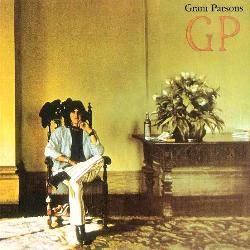
    • GP – Gram Parsons (January 1973)

      • Members: Emmylou Harris (RIP: Gram Parsons)
      • Guests: Tom Bahler, Byron Berline, James Burton, Buddy Emmons, Glen D Hardin, Ron Hicklin, Alan Munde, Al Perkins, Barry Tashian, Ron Tutt (RIP: Ric GrechJohn Guerin)
      • Comments: This fantastic and fine musician sadly passed away in 1973, when he was only 26. He was a member of The Byrds, and later a founder member of The Flying Burrito Brothers. As far as I know, he only recorded two solo albums while he lived, GP and Grievous angel, but his legend grow immensely after his death, and like some other great names, his discography is still increasing nowadays. Ric Grech was a great friend of Gram, and that’s why he appears in his offcial albums, as well as in almost every collection of demos or outtakes.
        GP was Gram’s solo debut. With his then girlfriend Emmylou Harris, and some Byrds-related musicians, members of Elvis Presley band, and some other country-rock musicians, like Buddy Emmons (steel guitar), the great James Burton (guitar), Byron Berline (violin), Glen D. Hardin (keyboards), Al Perkins (steel guitar), Ron Tutt (drums), and John Guerin (drums). With a song written by Ric, ´Kiss the children´, who also co-produced the album along with Gram. It was recorded September-October 1972.
    • Grievous angel – Gram Parsons (01/1974)

      • Members: Emmylou Harris, Norman D Smart (RIP: Gram Parsons)
      • Guests: Byron Berline, James Burton, Kim Fowley, Emory Gordy, Glen D Hardin, Bernie Leadon, Herb Pedersen, Al Perkins, Linda Ronstadt, Ron Tutt (RIP: Ric Grech)
      • Comments: Gram Parsons´ second album, Grievous angel features again Emmylou Harris, James Burton, Byron Berline, Glen D. Hardin, Al Perkins, plus Linda Ronstadt (vocals), Herb Pedersen (guitar), Emory Gordy (bass), Bernie Leadon (guitar, from The Eagles). There’s a song co-written by Ric and Gram, ´Ohh Las Vegas´. Ric is not credited in the album, but I think he must be there, just my guess… Recorded during Summer 1973. It contains a really superb rendition of ´Love hurts´, sung as a duet by Gram and Emmylou.
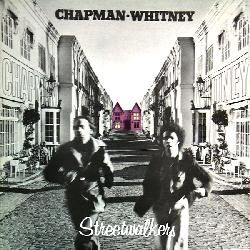
    • Chapman Whitney Streetwalkers – Streetwalkers (05/1974)

      • Members: Roger Chapman, Tim Hinkley, Charlie Whitney (RIP: Ian Wallace)
      • Guests: Jim Cregan, Mike Giles, Neil Hubbard, Linda Lewis, Godfrey McLean, Max Middleton, Poli Palmer, John Wetton (RIP: Boz Burrell, Ric Grech)
      • Comments: Ex-Family members Roger Chapman and Charlie Whitney put together a new project: Streetwalkers. The original idea was to keep the band as a duo (Chapman and Whitney). They recorded the first album, Chapman Whitney Streetwalkers, with several former companions in Family: John Wetton (bass, then in King Crimson, and later in Uriah Heep and many others great bands), Ric Grech, Jim Cregan, Poli Palmer, as well as Boz Burrell, Ian Wallace & Michael Giles (all from King Crimson), Tim Hinkley, Neil Hubbard and Max Middleton, etc.
        The album has finally reissued on CD in 2010, with a different album cover and under the title First cut.
    • Mahoney´s last stand – Ronnie Lane & Ron Wood (1976)

      • Members: Benny Gallagher, Ian McLagan, Bruce Rowland, Ron Wood (RIP: Ronnie Lane, Ian ´Stu´ Stewart)
      • Guests: Glyn Johns, Kenny Jones, Bobby Keys, Billy Nicholls, Jim Price, Pete Townshend (RIP: Ric Grech, Micky Waller)
      • Comments: This soundtrack, although it was released in 1976, was started to be recorded in 1972. Mahoney’s last stand album is credited to Ron Wood & Ronnie Lane. Ron and Ronnie are accompanied by many fellow musicians: Pete Townshend (guitar, from The Who), Ric Grech (bass and violin), Ian McLagan & Kenny Jones, Benny Gallagher (bass, from Gallagher & Lyle), and the late ones Ian ‘Stu’ Stewart and Micky Waller (drums), etc.
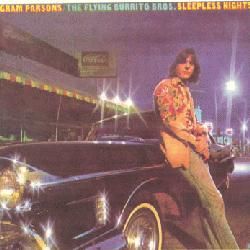
    • Sleepless nights – Gram Parsons – The Flying Burrito Bros (1976)

      • Members: Byron Berline, Chris Hillman, Bernie Leadon, Al Perkins (RIP: Michael Clarke, Sneaky Pete Kleinow, Gram Parsons)
      • Guests: James Burton, Emory Gordy, Glen D Hardin, Herb Pedersen, Ron Tutt (RIP: Ric Grech)
      • Comments: Sleepless nights comprises unreleased songs from The Flying Burrito Brothers. Well, really, the album is credited to Gram Parsons & The Flying Burrito Brothers. Again, with Emmylou Harris, James Burton, Ric Grech, Byron Berline, Glen D. Hardin, Al Perkins, Ron Tutt, plus Herb Pedersen (guitar), Emory Gordy (bass), etc. And from The Flying Burrito Brothers: Bernie Leadon (guitar), Chris Hillman (bass), Sneaky Pete Kleinow (steel guitar), Michael Clarke (drums).
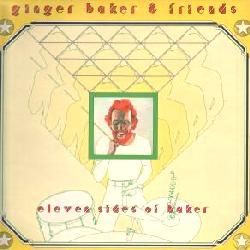
    • Eleven sides of Baker – Ginger Baker & Friends (01/1977)

      • Members: Ginger Baker
      • Guests: Louise Arthurworrey, Jeff Daly, Mike Deacon, Herbie Flowers, Kuma Harada, DeLisle Harper, Eddie Mordue, Alan Skidmore, Snips, Chris Spedding, Stan Sulzmann (RIP: Ric Grech, Ian Hamer, Derek Wadsworth)
    • Cosmic American music – Gram Parsons (1995)
    • Members: Emmylou Harris (RIP: Gram Parsons)
    • Guests: Byron Berline, Alan Munde, Barry Tashian (RIP: Ric Grech)
    • Comments: Cosmic American music is a compilation of demos recorded around 1972. Ric Grech appears here, as well as Emmylou Harris.

COMPILATIONS WITH BANDMATES AND FRIENDS (3 credits)

    • Warm evenings, pale mornings, bottled blues – Gram Parsons (1992)
      • Members: (RIP: Gram Parsons)
      • Guests: (RIP: Ric Grech)
      • Comments: Warm evenings, pale mornings, bottled blues is a retrospective of Gram’s complete career, including his early bands.
    • Sacred hearts and fallen angels – the Gram Parsons anthology – Gram Parsons (May 2001)
      • Members: Jock Bartley, Emmylou Harris, Norman D Smart (RIP: Chris Ethridge, Gram Parsons)
      • Guests: Byron Berline, James Burton, Jon Corneal, Buddy Emmons, Emory Gordy, Glen D Hardin, Chris Hillman, Eddie Hoh, Bernie Leadon, Jay Dee Maness, Joe Osborn, Herb Pedersen, Al Perkins, Linda Ronstadt, Leon Russell, Barry Tashian (RIP: Michael Clarke, Ric GrechJohn Guerin, Kevin Kelley, Sneaky Pete Kleinow, Clarence White)
    • The Complete Reprise sessions – Gram Parsons (August 2005)

    • Members: Emmylou Harris, Norman D Smart (RIP: Gram Parsons)
    • Guests: Tom Bahler, Byron Berline, James Burton, Buddy Emmons, Kim Fowley, Emory Gordy, Glen D Hardin, Ron Hicklin, Bernie Leadon, Alan Munde, Herb Pedersen, Al Perkins, Linda Ronstadt, Barry Tashian, Ron Tutt (RIP: Ric GrechJohn Guerin)
    • Comments: 3CD comprising Gram´s two solo albums (GP and Grievous angel, plus a 3rd CD with rarities and outtakes.

SESSIONS (9 credits)

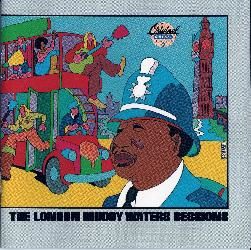
    • The London Muddy Waters sessions – Muddy Waters (April 1972)

      • Members: (RIP: Sammy Lawhorn, Muddy Waters)
      • Guests: Garnett Brown, Rosetta Hightower, Herb Lovell, Seldon Powell, Steve Winwood (RIP: Carey Bell, Rory Gallagher, Ric Grech, Mitch Mitchell, Joe Newman, Ernie Royal)
      • Producer: Esmond Edwards, Ian Green
      • Comments: Muddy Waters arrived to London to record some sessions with avid British alumni. With some members of Muddy’s band, such as Sammy Lawhorn (guitar) and Carey Bell (harmonica). Great names here: Rory Gallagher (guitar), Ric Grech (bass), Steve Winwood (keyboards), Mitch Mitchell (drums), plus Rossetta Hightower on vocals.
    • Billion dollar babies – Alice Cooper (1973)

      • Members: Alice Cooper
      • Guests: (RIP: Ric Grech)
      • Comments: Once I read that this album contains guest cameo appearances by Donovan, Marc Bolan, Ric Grech and Keith Moon, but my Spanish LP copy doesn’t have credits, so I can’t be sure. Can anyone check it for me, please?
    • Life in a tin can – The Bee Gees (January 1973)

      • Members: Barry Gibb, Alan Kendall (RIP: Maurice Gibb, Robin Gibb)
      • Guests: Jim Keltner, Tommy Morgan (RIP: Ric Grech, Sneaky Pete Kleinow, Jerome Richardson)
      • Technical: Ted Jensen
      • Comments: They were always great! This album contains their usual guitarist, Alan Kendall (guitar), plus guest appearances by Sneaky Pete Kleinow (steel guitar), Tommy Morgan (harmonica), Jerome Richardson (flute), Jane Getz (piano), Jim Keltner (drums). Ric Grech plays great parts of violin and bass in the song ´While I play´.
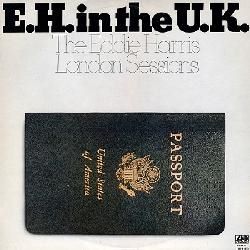
    • E H in the UK – Eddie Harris (1974)

      • Members: (RIP: Eddie Harris)
      • Guests: Jeff Beck, Neil Hubbard, Tony Kaye, Albert Lee, Zoot Money, Ian Paice, Chris Squire, Alan White, Steve Winwood (RIP: Loughty Amao, Boz Burrell, Ric Grech)
      • Producer: (RIP: Nesuhi Ertegun)
      • Comments: Eddie Harris was a jazz tenor sax player, who died in November 1996. Although mostly of his albums are really jazz stuff, he also tried a bit in the rock scene. This album is also known as The Eddie Harris London sessions. Ric Grech performs in only one song, along with Jeff Beck (guitar), Albert Lee (guitar), Steve Winwood (keyboards), Loughty Amato (percussion) and Ian Paice (drums). Other great musicians who appear in the album: Neil Hubbard (guitar), Boz Burrell (bass), Zoot Money (keyboards), and from Yes: Chris Squire (bass), Tony Kaye (keyboards) and Alan White (drums).
    • Men opening umbrellas ahead – Vivian Stanshall (1974)

      • Members: (RIP: Viv Stanshall)
      • Guests: Madeline Bell, Neil Innes, Gaspar Lawal, Derek Quinn, Barry St John, Steve Winwood (RIP: Rebop Kwaku Baah, Jim Capaldi, Ric Grech, Doris Troy)
      • Comments: The late Viv Stanshall was the leader in the Bonzo Dog Dadah Band. This was his solo debut, helped by Steve Winwood, who brought here his fellow companions in Traffic: Jim Capaldi, Ric Grech and Rebop. Plus Madeline Bell & Doris Troy (vocals) and Neil Innes (guitar, keyboard, from Bonzo Dog Band).
    • London revisited – Muddy Waters – Howlin´ Wolf (January 1974)
      • Members: (RIP: Sammy Lawhorn, Pinetop Perkins, Muddy Waters)
      • Guests: Garnett Brown, Rosetta Hightower, Herb Lovell, Seldon Powell, Steve Winwood (RIP: Carey Bell, Rory Gallagher, Ric Grech, Mitch Mitchell, Joe Newman, Ernie Royal, Howlin´ Wolf)
      • Producer: Esmond Edwards, Ian Green
      • Comments: London revisited is a collection of unused tracks from the 1971 sessions that Muddy Waters (4 tracks) and Howlin´ Wolf (3 tracks) made with British musicians.
    • Smiler – Rod Stewart (September 1974)

      • Members: Ian McLagan, Martin Quittenton, Rod Stewart, Ron Wood
      • Guests: Doreen ChanterIrene Chanter, Ray Cooper, Spike Heatley, Ray Jackson, Elton John, Kenny Jones, Andy Newmark, Dick Powell, Pete Sears, Ruby Turner, Willie Weeks (RIP: Ric Grech, Micky Waller)
      • Technical: Mike Bobak, Suha Gur
      • Comments: Smiler is Rod’s 6th album, with Ron Wood, Martin Quittenton (guitar), Micky Waller (drums), Pete Sears (piano), Kenny Jones (drums), Ray Jackson (mandolin), Ric Grech (here, playing violin), Spike Heatley (bass), Andy Newmark (drums, later with Roxy Music, Nils Lofgren, Roger Waters and countless others), Willie Weeks (bass) Ray Cooper (percussion), Elton John (piano and vocals in his own song ´Let me be your car´), Dick Powell (violin), Doreen Chanter (vocals) and the Memphis Horns.
    • Heyday – the BBC radio sessions 1968-1969 – Fairport Convention (1987)
      • Members: Ashley Hutchings, Dave Mattacks, Ian Matthews, Simon Nicol, Dave Swarbrick, Richard Thompson (RIP: Sandy Denny, Martin Lamble)
      • Guests: (RIP: Ric Grech)
      • Comments: Some CD reissue contains 1 bonus track. Ric Grech appears guesting on violin with the band in 2 tracks recorded in March 1969.
    • Live At The BBC – Fairport Convention (2007)

    • Members: Jerry Donahue, Judy Dyble, Ashley Hutchings, Dave Mattacks, Ian Matthews, Simon Nicol, Dave Pegg, Richard Thompson (RIP: Sandy Denny, Martin Lamble, Trevor Lucas)
    • Guests: (RIP: Ric Grech)
    • Producer: (RIP: John Walters)
    • Comments: 4CD boxset with live recordings by Fairport Convention. Ric Grech guests on violin in 4 tracks recorded in April 1969.

COMPILATIONS (SESSIONS) (5 credits)

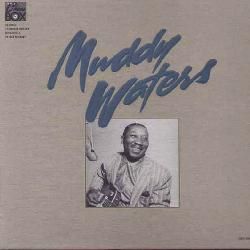
    • The Chess box – Muddy Waters (1989)

      • Members: James Cotton (RIP: Francis Clay, Calvin Jones, Sammy Lawhorn, Pinetop Perkins, Willie Smith, Otis Spann, Luther Tucker, Little Walter, Muddy Waters)
      • Guests: Buddy Guy, Casey Jones, Sam Lay, Phil Upchurch (RIP: Carey Bell, Fred Below, Mike Bloomfield, Paul Butterfield, Willie Dixon, Donald ´Duck´ Dunn, Rory Gallagher, Ric Grech, Earl Hooker, Clifton James, S P Leary, Mitch Mitchell, A C Reed, Jimmy Rogers, Sunnyland Slim, Johnny Walker, Junior Wells)
      • Producer: Gene Barge, Esmond Edwards, Ian Green (RIP: Ralph Bass, Leonard Chess)
      • Technical: Greg Fulginiti, Bill Inglot
      • Comments: 6LP (or 3CD) boxset.
    • Over, under, sideways, down (a comprehensive collection) – The Yardbirds (1990)
      • Members: Jeff Beck, Eric Clapton, Chris Dreja, Jim McCarty, John McVie, Jimmy Page, Paul Samwell-Smith, Top Topham (RIP: Keith Relf)
      • Guests: Ginger Baker, Jack Bruce, Louis Cennamo, Ray Cook, Aynsley Dunbar, Hughie Flint, John Hawken, Mike Hugg, Casey Jones, John Paul Jones, Paul Jones, Robert Plant, Jane Relf, Rod Stewart, Mike Vickers, Steve Winwood, Ron Wood (RIP: John Bonham, Ric Grech)
      • Producer: Giorgio Gomelsky (RIP: Mickie Most)
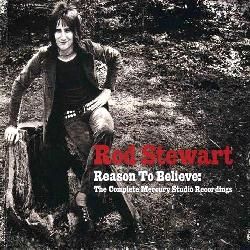
    • Reason to believe: the complete Mercury studio recordings – Rod Stewart (November 2002)

      • Members: Ian McLagan, Martin Quittenton, Rod Stewart, Ron Wood
      • Guests: Chris Barber, Madeline Bell, Maggie Bell, Doreen ChanterIrene Chanter, Ray Cooper, Mike D´Abo, Keith Emerson, Spike Heatley, Jimmy Horowitz, Ray Jackson, Elton John, Kenny Jones, Will Malone, Andy Newmark, Dick Powell, Martin Pugh, Andy Pyle, Harry Reynolds, Pete Sears, Danny Thompson, Ruby Turner, Willie Weeks (RIP: Speedy Acquaye, Long John Baldry, Ric Grech, Gordon Huntley, Ronnie Lane, Sam Mitchell, Micky Waller)
      • Producer: Bill Levenson (RIP: Lou Reizner)
      • Technical: Mike Bobak, Keith Grant, Suha Gur, Glyn Johns, Roger Wake
      • Comments: 3CD boxset comprising Rod´s first five albums (The Rod Stewart albumGasoline alleyEvery picture tells a storyNever a dull momentSmiler, plus several additional tracks.
    • Gold – Rod Stewart (July 2005)

      • Members: Ian McLagan, Martin Quittenton, Rod Stewart, Ron Wood
      • Guests: Doreen ChanterIrene Chanter, Ray Cooper, Mike D´Abo, Keith Emerson, Billy Gaff, Spike Heatley, Jimmy Horowitz, Ray Jackson, Elton John, Kenny Jones, Will Malone, Andy Newmark, Dick Powell, Martin Pugh, Andy Pyle, Harry Reynolds, Pete Sears, Danny Thompson, Ruby Turner, Willie Weeks (RIP: Speedy AcquayeRic Grech, Gordon Huntley, Ronnie Lane, Sam Mitchell, Micky Waller)
      • Producer: Bill Levenson (RIP: Lou Reizner)
      • Technical: Mike Bobak, Keith Grant, Suha Gur, Glyn Johns
      • Comments: 2CD compilation.
    • The Rod Stewart sessions 1971-1998 – Rod Stewart (October 2009)

    • Members: Carmine Appice, Rick Braun, Tony Brock, Phil Chen, John Corey, Jim Cregan, Paulinho Da Costa, Jay Davis, Joey Diggs, Mike Finnigan, Jeff Golub, Gary Grainger, Max Gronenthal, Dee Harvey, Duane Hitchings, John Jarvis, Danny Johnson, Chuck Kentis, Phil Kenzie, Nick Lane, Oliver Leiber, Robin LeMesurier, Linda Lewis, Steve Madaio, Ian McLagan, David Palmer, Billy Peek, Darryl Phinnessee, Martin Quittenton, Jimmy Roberts, Carmine Rojas, Kevin Savigar, John Shanks, Rod Stewart, Wally Stocker, Andy Taylor, Lee R Thornburg, Lamont Van Hook, Fred White, Ron Wood, Jimmy Zavala
    • Guests: Colin Allen, Kenny Aronoff, Jeff ´Skunk´ Baxter, Madeline Bell, Gene Black, Tim Bogert, Pete Carr, Valerie Carter, Doreen ChanterIrene Chanter, Michael Chapman, Ray Cooper, Lol Creme, Steve Cropper, Kevin Dorsey, Anne Dudley, Scott Edwards, David Foster, Albhy Galuten, Earl Gardner, David Gilmour, Bob Glaub, Richard Greene, Jimmy Haslip, Roger Hawkins, Spike Heatley, Gary Herbig, David Hood, Dann Huff, Clydene Jackson, Paul Jackson, Ray Jackson, Jimmy Johnson, Jimmy Johnson, Plas Johnson, Davey Johnstone, John Paul Jones, Kenny Jones, Jerome Jumonville, Suzie Katayama, Holly Knight, Joe Lala, Michael Landau, Patrick Leonard, David Lindley, Steve Lipson, Nils Lofgren, Nick Lowe, Steve Lukather, Eddie Martinez, John Mayall, Lance Morrison, Jamie Muhoberac, Andy Newmark, Patrick O´Hearn, Nigel Olsson, Richard Page, Sid Page, Bill Payne, Phil Perry, Lenny Pickett, John Pierce, Tim Pierce, Dick Powell, Guy Pratt, Jim Price, Andy Pyle, Frank Ricotti, John Robinson, Paul Robinson, Rick Schlosser, Tom Scott, Pete Sears, Leland Sklar, William ´Smitty´ Smith, Mark Stein, Neil Stubenhaus, Fred Tackett, Pete Thomas, Danny Thompson, Joe Turano, Ruby Turner, Carmen Twillie, Tommy Vig, Waddy Wachtel, Joe Walsh, Oren Waters, Willie Weeks, Larry Williams, David Woodford, Terry Young (RIP: Speedy Acquaye, Long John Baldry, Barry Beckett, Lyn Collins, Jesse Ed Davis, Donald ´Duck´ Dunn, Bernard Edwards, Ric Grech, Nicky Hopkins, Gordon Huntley, Al Jackson, Ronnie Lane, Sam Mitchell, Billy Preston, Tony Thompson, Micky Waller, David Williams)
    • Producer: Bob Ezrin, Trevor Horn, Danny Kortchmar, James Newton Howard, Lenny Waronker (RIP: Tom Dowd)
    • Technical: Mike Bobak, Dan Hersch, Andy Johns (RIP: Willie Mitchell, Dee Robb)
    • Comments: 4CD boxset compilation with lots of unreleased tracks.

RELATED WEBSITE LINKS: 28

Official site(s) – tell them you saw the link here:

From the always interesting Alex’s Picks (by Alex Gitlin), we have:

From the superb site Knights in Blue Denim: The British Blues Scene ’68 – ’70 (by Christer Fridhammar & Vanja), we have:

From the fantastic The British Sound blog (by Bruno Ceriotti), we have rock family trees about:

Wikipedia doesn´t want to include links to this website, but I won´t do the same with them. So, from the great Wikipedia, we have:

Assorted links:


RELATED VIDEO LINKS: 11
Disclaimer: I don´t own or upload any of the videos linked here. I just include links to live videos that are already available, in order to show the work of this musician. Anyway, if someone feels that some link shouldn’t be included, please write me at the email address shown below. And if you know of more videos featuring Ric Grech, please, also write me with the link.

 (Resolution: 360)

    • Featuring: Ginger Baker, Eric Clapton, Ric Grech, Steve Winwood.

 (Resolution: 480)

    • Featuring: Ginger Baker, Eric Clapton, Ric Grech, Steve Winwood.

 (Resolution: 480)

    • Featuring: Ginger Baker, Eric Clapton, Ric Grech, Steve Winwood.

 (Resolution: 480)

    • Featuring: Ginger Baker, Eric Clapton, Ric Grech, Steve Winwood.

 (Resolution: 480)

    • Featuring: Ginger Baker, Eric Clapton, Ric Grech, Steve Winwood.

 (Resolution: 480)

    • Featuring: Ginger Baker, Eric Clapton, Ric Grech, Steve Winwood.

 (Resolution: 240)

    • Featuring: Ginger Baker, Eric Clapton, Ric Grech, Steve Winwood.

 (Resolution: 240)

    • Featuring: Ginger Baker, Eric Clapton, Ric Grech, Steve Winwood.

 (Resolution: 480)

    • Featuring: Ginger Baker, Eric Clapton, Ric Grech, Steve Winwood.

 (Resolution: 240)

    • Featuring: Ginger Baker, Eric Clapton, Ric Grech, Steve Winwood.

 (Resolution: 480)

    • Featuring: Ginger Baker, Eric Clapton, Ric Grech, Steve Winwood.

THANKS:

Very Special Thanks to:

  • Danny Peyronel: for info on his band with Ric.
  • Mick White: for sharing his memories about Square Dancing Machine and Ric with me (2002).
  • Vince (Ozzy) Osborn: for info (2006).
  • Martin Osborn: for his fantastic message (2000).
  • Al Sansome: for info on Ric´s bands in 1975 and 1976 (2000).
  • Ian Whiteman: for info on the Olympic sessions (2002).

Special Thanks to:

  • Gareth Freer: for info (2008).
  • Mike Fitzgerald: for info on Farinas (2003).
  • John H Warburg: for lots of info on Ric, The Farinas and Family (2006).
  • Jaap Luif: for extensive info on Airforce and Denny Laine (1998).

Thanks to:

  • Alex Gitlin: for scanning album covers for me and help with support.
  • Henk Hagen: for info about Airforce.
  • Achim Schweikard: for offering his help with info (2010).
  • Jonathan Wheeler: for info (2009).
  • Donald Adler: for pointing an error in my page (but I still think Chappo was in The Farinas at the end) (2007).
  • Henry S Rosner: for info on Airforce (2005).
  • Jamie Kane: for his message (2006).
  • Stephen Robbins: for info on Ric playing with Fairport Convention in April 1969 (2002).
  • Neil Blunt: for info (2004).
  • Eddie McDonnell: for sending me the complete personnel list on Airforce 2 (2004).
  • Paul Hilling: for his message (2000).
  • Rev Millhone: for his kind message (2001).
  • Greg Willmott: for his message on Gram Parsons (2000).
  • Dave Kath: for his kind message (2000).
  • Stewart Mercer: for his very interesting message (2004).
  • Dave: for his message (2005).
  • Jeff Johnson: for his message on Ric and Gram Parsons (2001).
  • Kenny Parsons: for his message about Blind Faith (1999).
  • Michael Jardine: for info on Ric appearing in Gram Parsons´ 2nd album (2003).
  • Craig Meier: for his very interesting message (2001).
  • Jacek Szepan: for info on the bassist playing in Airforce 2 album (2006).
  • Dylan Thomas: for info on Ric playing with Johnny Rivers as well as some Crickets corrections (2012).

Also thanks for writing to:

  • William Ellis (2011), Robbie Grech (2007), Keith Lawrence (2006), Kevin Downes (2006), Blue Frank (2002), Janine (2005).

WHAT’S NEW:

22/May/2012 – Added another band (Johnny Rivers Boogie Band). Thanks to Dylan Thomas.
26/August/2011 – Page added to the blog.
16/January/1998 – Original page written by me (in the old site).


RELATED MUSICIANS:

Ric Grech mostly worked with these musicians: (name + number of credits)
Steve Winwood (24)
Ginger Baker (14)
Eric Clapton (12)
Jim Capaldi (11)
Dave Mason (11)
Jim Gordon (10)
Rebop Kwaku Baah (9)
Jimmy Miller (9)
Chris Wood (9)
Ron Wood (9)


Page created by Miguel Terol on: 16/January/1998 – Last modified on: 24/May/2012. If you want to contribute with info, please write to: molympus1@gmail.com


Please, note than you can check the indexes (musicians, bands, obituaries) at the top of this page.

3 comments:

  1. am not sure, but i think harry oevenall was the drummer in family on that 1st single, Scene thru the eyes of a lens/gypsy woman, soon to be replaced by rob townsend.

    Reply

  2. My dad Jeff Whitmore was the lead singer for Berkeley Squares and used to travel to their gigs with Grech. He also sang in Leicester bands Shelly, Reverbs and Tuxedo Five. Hope this helps……..

    Reply

  3. Hi, Jake – thanks for this. Is there any chance of getting more info about The Beverly Squares? The names of other members, for example, and the approximate period when the band was active. It’s not easy getting info about them. Thanks again.


From Folk to Acid Rock, How Marty Balin Launched the San Francisco Music Scene | Collectors Weekly

This article was written by Ben Marks and first published in Collectors Weekly

Bill Graham, Janis Joplin, Jerry Garcia—half a century on, these names still evoke the sound of San Francisco in the late 1960s. To be sure, the city’s greatest concert promoter, singer, and guitarist all deserve their status as cultural icons, but it was another guy whose name you might notimmediately recognize, Marty Balin, who drew the world’s attention to San Francisco in the first place. That’s because in 1965, Balin undertook two inextricably linked projects that together changed rock-music history—he helped open a small but highly influential club called the Matrix, and he founded a new band, Jefferson Airplane, which played its first gig on his club’s opening night.

“You could predict how a show would go according to the drugs lined up on the back of the amps.”

Those two acts would have been enough to secure Balin’s place in music history, but the singer was just getting started. That fall, Balin encouraged an ambitious impresario named Bill Graham to host a benefit concert for a theater group Graham was managing, offering up Jefferson Airplane for the occasion. A second benefit at the Fillmore Auditorium, also featuring the Airplane, followed that December. By February of 1966, Jefferson Airplane was headlining the first non-benefit concert at the Fillmore for Graham—during that year, Balin’s band would play more than 30 dates at the hall.

Top: Marty Balin at Monterey Pop, 1967. Photo by Suki Hill. Above. Jefferson Airplane enjoyed a close relationship with promoter Bill Graham, who booked the band, which he managed during most of 1967, into the Fillmore in San Francisco and beyond.

The following year, 1967, the Airplane performed more than 100 times, including an electrifying appearance at Monterey Pop. In the winter of 1968, Balin and company briefly partnered with Jerry Garcia and the Grateful Dead to produce their own shows at the Carousel Ballroom. And then, in 1969, after performing at Woodstock that summer, the Airplane ended the decade as one of the openers for a free Rolling Stones concert at Altamont, where Balin was knocked unconscious by a Hells Angel when Balin came to the aid of a fan who was being beaten with pool cues by multiple members of the notorious motorcycle gang.

For Balin and the Airplane, the trajectory to that fateful day had been fast and steep. But like most musicians, Balin’s “overnight” success was years in the making. His first record deal, inked in 1962 when he was just 20, was with Challenge Records of Los Angeles, whose claim to fame had been a catchy single by The Champs called “Tequila.” For Challenge, Balin recorded four songs (only one of which he co-wrote), which were pressed onto a pair of 45s.

Balin recorded his first record in 1962 at age 20. This copy is inscribed to his mother and father.

Like a lot of Johnny Mathis and Paul Anka wannabes cutting records in those days, Balin was given a stage name—he was born Martyn Jerel Buchwald. In the studio, Balin sang with the L.A. music industry’s go-to backup band, the Wrecking Crew. “The lead guitar player at the session was Glen Campbell,” Balin remembers. “He was the hot guy in town at the time.” Also at the session—which his father, Joe Buchwald, paid for—was guitarist Barney Kessel, bassist Red Callender, Jack Nitzsche on piano, and Hal Blaine on drums, with the Blossoms providing the backing vocals and Ricky Nelson’s arranger, Jimmie Haskell, conducting the strings. “They put me in a little room with a window and said ‘sing.’” Balin recalls.

Balin sang, although his debut went unnoticed by radio stations and, hence, the public. Still, Balin had his first taste of the music business, and he wanted more. He got it in the summer of 1963, while hanging out one evening in a San Francisco folk-music spot on Union Street called the Drinking Gourd. There, Balin met three other musicians who were looking to form a group. From that chance encounter, the Town Criers were formed. Before long, they were playing the Drinking Gourd and clubs like the hungry i and the Purple Onion, on one occasion opening for the great comedian Dick Gregory—within few years, Gregory would be sharing bills with the Airplane.

Between is solo career and Jefferson Airplane, Balin (top right) sang with a folk outfit called the Town Criers.

The year 1964 was a transitional one for American pop music. By then, the folk revival of the 1950s and early ’60s was feeling the competition from the British Invasion. The Beatles had arrived in February with Little Richard and Chuck Berry numbers in their repertoire. The Rolling Stones followed in June, introducing white American kids to black American blues. And in November, the Animals had an unlikely hit with a traditional American folk song called “The House of the Rising Son.”

By 1965, folk-rock hybrids were popping up all over the place. That spring, The Byrds had a hit with Bob Dylan’s “Mr. Tambourine Man,” which was recorded in an L.A. studio with many of the same musicians who had backed Balin for Challenge Records. During the summer, Bob Dylan famously “went electric” at the Newport Folk Festival, a new San Francisco group called the Charlatansperformed for six weeks straight—but not “straight”—at the Red Dog Saloon in Virginia City, Nevada, and the Lovin’ Spoonful burst on the scene with the release of its first single, “Do You Believe in Magic?”

What San Francisco lacked in 1965 was a reliable performance space for this new genre, which is partly what had sent the Charlatans to Virginia City. “When I was in the Town Criers,” Balin says, “I wanted to use electric guitars and drums, but places like the Drinking Gourd didn’t want that because it was too loud.” Still, Balin performed frequently at the Drinking Gourd, often on “hootenanny” night, accompanying his beseeching tenor with a nylon-string Martin guitar.

This 18-foot wide painting hung in the Matrix when Balin opened the club in 1965. The "JA" in the right panel is a nod to the club's house band, Jefferson Airplane. Years later, Balin found the painting in a gallery in Los Angeles. He purchased it and donated it to the Rock & Roll Hall of Fame, where the center three panels are currently on view. Courtesy of the Rock & Roll Hall of Fame.

It was a meager act, but Balin played those hootenanny nights for all he was worth, and that passion was enough to earn him a small following. “These nurses would come in and see me,” Balin remembers. “I guess they kind of liked what I did. One night, they brought their boyfriends, and after my set, I joined them at their table. The boyfriends, who were engineers, were talking about how they each had $3,000 to invest and didn’t know what to do with the money. I immediately jumped in and said, ‘Hey, give it to me.’ They said, ‘What would you do with it?’ And I said, “I’d open a nightclub and put a band in it. You can have the nightclub, I’ll keep the band.’”

That may have seemed like a bold proposal coming from a nobody who was still covering Rod McKuen tunes, but Balin was one of those people who had a natural knack for making things happen. “I’m an Energizer Bunny,” he says, “a stimulator. I have ideas and then I get other people to show off their talents and abilities, too.”

The 1965 lineup for the incarnation of Jefferson Airplane that recorded the band's first album was (from left to right) Paul Kantner, Jack Casady, Signe Anderson, Jorma Kaukonen, Marty Balin, and Skip Spence.

Indeed, on that night at the Drinking Gourd, Balin already had some of the pieces for his still-unnamed band in place. In March of 1965, Balin had found his first recruit, Paul Kantner, at one of the Drinking Gourd’s open-mic nights, as Balin told Got a Revolution author Jeff Tamarkin for a 1993 interview published in “Relix Magazine.” “I remember I was standing at the door and he came in and the guy said, ‘No more room, we’re filled up.’ I said, ‘Give him my spot,’ because he looked interesting; he had two guitars, one in each hand, which was rare. Kind of a weird-looking dude. So he came in and he had a 12-string and a six and he came out onstage and tuned up, like he still does, and started to play this song and then stopped. He was embarrassed or something. And he walked off.”

According to Kantner in Got a Revolution, embarrassment had nothing to do with it. “It was a noisy, drinking kind of crowd. So I said, ‘This sucks. I’ve had enough, good-bye.’” For some reason, Balin was smitten. “As I was leaving Marty said, “Hey, you want to start a band?’” Kantner did.

The Matrix was a hit from the day it opened on August 13, 1965.

The Drinking Gourd was also where Balin and Kantner met Bob Harvey, the Airplane’s first bassist, who briefly played an upright before Jack Casady gave the band its signature, and very electric, bottom end. Signe Anderson, the band’s first female vocalist, was also a Drinking Gourd regular, and she sang with the Airplane for more than a year before leaving the group to raise her child, her memory as an original member of Jefferson Airplane all but obliterated by the arrival of Grace Slick, who had been fronting a competing group called the Great Society. The band’s first drummer, Jerry Peloquin, was an acquaintance of Balin’s, although he was quickly replaced by Skip Spence, who was fired less than a year later for disappearing one day to Mexico—Skippy, as friends called him, eventually resurfaced to help form Moby Grape. The last puzzle piece, lead guitarist Jorma Kaukonen, arrived via Kantner, although it was Balin who chased him down. In addition to a blues-infused guitar, Kaukonen also contributed the band’s absurdist name, a shortened version of a nickname Kaukonen had been given by a friend (as a proper name, the words “Jefferson Airplane” are never preceded by “the”).

By 1966, the Matrix was still booking blues musicians like Lightin' Hopkins and the club's house band, Jefferson Airplane.

While all this was going on, the nurses’ three boyfriends—Elliot Sazer, Ted Saunders, and Paul Sedlewicz—were scouting locations, finally settling on a 40-by-80-foot pizza joint called the Syndicate, which was located on Fillmore Street a handful of blocks away from the Drinking Gourd. Renamed the Matrix by Sazer, the club was literally designed for the group Balin was assembling. “I built the stage to fit the band,” Balin says. “It was a little bigger than most stages.” It would have to be to support two guitarists, a pair of singers, and a rhythm section—six pieces in an era when four Beatles or five Stones were the rule.

And then, finally, it was opening night: Friday August 13, 1965. “The Matrix was a going thing from the day it opened,” Balin says. “That first night, representatives from every record company in the world were sitting in the audience. They all gave me their business cards, and I pinned them up in the dressing room. Everybody was going, ‘Oh man, let’s sign, let’s get a record deal!’ We knew about six songs,”—Balin described them to San Francisco Chroniclewriter John L. Wasserman as “social blues”—“and we extended those songs as instrumentals. So even though we didn’t have that many tunes, everybody wanted us.”

In late 1965 (left) and early 1966 (right), the Airplane often shared the bill with the Charlatans, who were on the scene a bit earlier than Jefferson Airplane but were soon eclipsed by the Airplane's fan base and acclaim.

Balin tried to put the brakes on his bandmates’ enthusiasm. “I said, ‘No, no, guys, we’re not going to sign anything until we hear from Phil Spector. And then the second night we played, Phil’s sister, Shirley, was in the audience, and she came up and said, ‘Phil Spector wants you to come to L.A.’ Things happened very fast.”

Although not with Phil Spector. “We didn’t get along with him at all,” Balin says. “He was too crazy for us.” No matter—by November, the band would sign with RCA Records, securing a then-staggering $25,000 advance in the deal.

Throughout the summer and into the fall, the band’s personnel solidified and its sound tightened as its members got in lots of practice at the Matrix, often backing whoever Balin had booked. “Mainly I hired the old blues guys I had played with,” Balin says, “like Lightnin’ Hopkins, J.C Burris, cats like that who would play for 300 or 400 bucks a night. Whoever was in the Airplane at the time would back them. We knew how to play the blues,” he adds, “but some of these guys would play like 15- and 15-and-a-half-bar blues, instead of the standard 12 or 16, and you’d be, like, ‘What the hell, man?’ It was a great education.”

In February of 1966, Jefferson Airplane headlined the first two non-benefit shows at the Fillmore Auditorium for two different promoters—Bill Graham (left) and Chet Helms of the Family Dog (right).

In September and October of 1965, Jefferson Airplane backed both Hopkins and Burris at the Matrix, as well as performing there under its own name. That October, the band also played the first of three Family Dog produced concerts at Longshoremen’s Hall—almost immediately, the San Francisco music scene had outgrown the cozy confines of the Matrix. The Bill Graham benefits followed in November and December, which is also when Jefferson Airplane went to L.A. to record its first album, “Jefferson Airplane Takes Off,” for RCA.

Bill Graham (walking toward camera at center) ran the Fillmore Auditorium from 1966 though the summer of 1968, when he moved operations across town to the Carousel Ballroom, which he renamed the Fillmore West. He was always a hands-on promoter.

By January of 1966, the Airplane, Charlatans, and Family Dog had teamed up for a packed show at California Hall, and while Balin was ready to do more, George Hunter of the Charlatans wasn’t. “The Charlatans were very popular,” Balin remembers. “They were one of my favorite bands, and George and I were good friends.” But Balin didn’t have time to be disappointed. On February 4, Jefferson Airplane was headlining the official opening of the Fillmore Auditorium. Now it was the Fillmore’s turn to be packed. The Airplane was also the top-billed act when Chet Helms and the Family Dog produced their first Fillmore show on February 19. Within six months, Jefferson Airplane had gone from being the house band in a former pizza joint to being the supergroup of San Francisco.

By April, Helms had moved the Family Dog from the Fillmore to the Avalon Ballroom—sharing the Fillmore with a competitor had proved too much for Graham. Although the Airplane had opened the Fillmore for both promoters, the band would only play one subsequent weekend at the Avalon, in no small part because Balin was so comfortable with the way Bill Graham ran the Fillmore.

“Bill was the best promoter ever,” Balin says. “He just took care of every little detail. When you walked out onto his stage, it was ready for you. Everybody was calm, everybody was quiet. There was no rushing around. And Bill would be there, and he’d say, ‘The stage is yours.’ And you’d go out and there and everything would be perfect. It was just the best stage you could ever play.”

Graham helped cement the ritual of New Year's Eve concerts, often tapping Jefferson Airplane to be his headliner.

During most of 1967, Graham and the Airplane had more than a promoter-performer relationship because Graham was now managing the band. Given this close association, it’s perhaps not too surprising that in May of 1967, when Graham’s regular poster printer went out of business, Graham gave the work to Neal, Stratford & Kerr, where Balin’s dad, Joe Buchwald, worked as a pressman. Ironically, this was just a few months before Neal, Stratford & Kerr went bankrupt. Fortunately, its lead pressman, Levon Mosgofian, acquired the company’s presses and other printing hardware to form what would become Tea Lautrec Litho, and just as fortuitously, Buchwald stayed on with Mosgofian.

That almost sounds like Graham decided to hire Balin’s father’s firm for sentimental reasons, but Balin cautions against this kind of thinking. “Bill never did anything out of romance, unless it was for a woman,” he says. “He had a big sign behind his desk that read, ‘Though I walk in the Valley of Death, I am the meanest son of a bitch in that valley.’” So why did Graham go with Tea Lautrec if not because of his father? “Graham probably got a good deal,” Balin says.

From a proof sheet of photos of Marty Balin with his dad, Joe Buchwald. Courtesy Marty and Susan Balin.

In fact, Buchwald had been a part of his son’s professional life since he coughed up the dough for that first Challenge Records session in 1962. Buchwald also helped make the Matrix a reality, putting Balin in the unique position—for those times, anyway—of constantly bumping into one of his parents. “He was in the scene real tight,” Balin says of his dad. “I’d go to these dark, acid parties, and there would be my pops. I remember one time I was really stoned on LSD and found myself at this new thing called a light show. All these blobs of color and music were forming out of the darkness; man, was that crazy. I was coming on to the acid pretty strong when I noticed my dad sitting about two rows in front of me. I said, ‘Hey, Pop, get me out of here. I’m so stoned I can’t even walk!’ And he just said, ‘Relax! Let’s see the rest of the show, then I’ll take you home.’”

Naturally, Buchwald’s participation in the scene expanded when he and Levon Mosgofian began printing Fillmore posters for Bill Graham. As a pressman for San Francisco’s premier printer of psychedelic concert posters, Buchwald worked closely with the best rock-poster artists of the 20th century. These artists held Buchwald’s ability to coax their visions out of Tea Lautrec’s Miehle 29 offset printing presses in high esteem. Consequently, Buchwald was invited to countless concerts, parties, you name it. To hear Balin tell it, his pops rarely declined, which sometimes proved awkward—not for him, but for his pops.

The Airplane's second album, released in 1967, rose to No. 3 on the Billboard charts. Signe Anderson was replaced by Grace Slick (top center), who would provide the album's biggest hit, "White Rabbit." Skip Spence was replaced by Spencer Dryden (bottom right). Herb Greene shot the photo for the album's cover, while Balin is credited with its design.

“He was always backstage when the Airplane played the Fillmore and Winterland,” Balin remembers. “I’d also run into him on the road, be it somewhere in the Midwest or Europe, even. I’d look over to the side of the stage, and there’d be my father with some chickie of his. I’d say, ‘Hey, Pop, how are you doing?’ After the show, though, he’d be gone. He wouldn’t even stick around to say ‘hi.’ He was embarrassed, I guess, because although he was still married to my mom, he had all these girlfriends. But I didn’t get uptight. I told him, ‘I’m not going to judge you. I understand Mom doesn’t want to go out and doesn’t stay up late. You’re a late-night go-getter. I dig it.’ After that, we became closer and friendlier.”

Graham managed Jefferson Airplane until early 1968, when Grace Slick and Spencer Dryden, who were a couple at this point, delivered an ‘either he goes or we go’ ultimatum. Among other reasons for the rupture, Slick and Dryden were tired of Graham’s argumentative style, and Slick in particular felt like Graham was working the band too hard.

Jerry Garcia of the Grateful Dead smoking a joint with Marty Balin during a free summer concert at Speedway Meadow in Golden Gate Park, 1967. Courtesy of the Estate of Clay Geerdes.

Balin was more sanguine. He understood where Graham was coming from, and he liked the fringe benefits the band enjoyed thanks to its privileged relationship with the volatile promoter, even after Graham was no longer their manager. These benefits extended beyond regular bookings at Graham’s venues, including the fabled Fillmore East in New York City.

“After we’d played our gig,” Balin says, “we’d go back to his apartment in New York. Bill used to have his security guards take pot away from the audience because it was against the law at the time. So, he had this huge stash of confiscated weed in his apartment, which we’d all smoke after the show. It was great.”

Which is not to say that Balin was unfailingly loyal to Graham. Around the same time Jefferson Airplane decided to drop Bill Graham as their manager, replacing him with an old friend of Balin’s named Bill Thompson, Jefferson Airplane and the Grateful Dead agreed to be partners in a venerable San Francisco dance hall called the Carousel Ballroom. There, they would produce their own shows without the help of Bill Graham, Chet Helms, or anyone else.

During the first half of 1968, Jefferson Airplane and the Grateful Dead tried to run the Carousel Ballroom themselves, often sharing billing (as seen in this Alton Kelley poster) to keep the enterprise afloat. When Bill Graham took it over in the summer of 1968, he kept the Carousel sign and put one bearing the words "Fillmore West" above it.

“That was great,” Balin says. “We finally had our own ballroom!” Unfortunately, the rent was too high and tons of people got in free. To make ends meet, the bands behind the Carousel were obliged to play it regularly, usually for little or no money, just to keep the enterprise afloat—between January and June of 1968, the Dead or its various members played the Carousel Ballroom almost 20 times, while the Airplane or its personnel put in eight appearances.

Coincidentally, as Graham recalled in Robert Greenfield’s Bill Graham Presents: My Life Inside Rock And Out, Graham decided he had to get out of the predominantly African-American neighborhood for which the Fillmore Auditorium was named because the area had gotten too dangerous for his mainly white audience in the aftermath of the assassination of Rev. Dr. Martin Luther King, Jr., on April 4. Graham had heard that the Carousel had turned into a money pit for the Dead and Airplane, so to secure the lease on the ballroom, Graham flew to Ireland to personally make his case to the building’s owner. After numerous rounds of bourbon, Graham had the Carousel’s lease, which was probably just as well for the Grateful Dead and Jefferson Airplane.

From 1968 to 1971, Graham also ran a music hall in New York City called, naturally, Fillmore East. The Airplane played numerous gigs there, as seen in this David Byrd poster from 1968.

“We were too scattered, too hippie to run the Carousel,” Balin says. “I don’t know anybody who was as good a businessman as Bill was. Bill was primo, top of the line, a former New Yorker, so he had the hustle.”

Of course, the transfer of the Carousel Ballroom’s lease from two rock bands to Bill Graham was hardly the most important event of 1968, a year when the American public was becoming increasingly impatient with the war in Vietnam. That disenchantment led indirectly to the assassination of yet another major political leader, Senator Robert F. Kennedy, who only got into the 1968 presidential race when the incumbent, Lyndon B. Johnson, pulled out.

Meanwhile, back in San Francisco, hard drugs like heroin and speed had flooded former hippie havens such as the Haight-Ashbury neighborhood, with predictably corrosive results. In addition, the bands themselves were starting to come apart, seen most dramatically in the exit by year’s end of Janis Joplin from Big Brother and the Holding Company. Not surprisingly, Balin played a part in that story, too.

“We were playing a concert down the coast,” Balin begins, referring to the Northern California Folk-Rock Festival held on May 18, 1968, at the Santa Clara County Fairgrounds. “I was sitting out in the audience, watching Jim Morrison and The Doors. And Janis, who was also performing, came up to me and said, ‘I want to talk to you. Come on.’ So we’re walking along, and we pass Jerry Garcia, and she said, ‘Jerry, come on, I want to talk to you.’ So we got in this old pickup truck and started driving, with Jerry behind the wheel, Janis in the center, and me riding shotgun.”

During the Northern California Folk-Rock Festival in 1968, Janis Joplin confided her conflicted feeling about leaving Big Brother and the Holding Company for a solo career to Marty Balin and Jerry Garcia.

Joplin was distraught because her new manager, Albert Grossman, who also managed Bob Dylan, wanted her to leave Big Brother. “He wanted her to have a better band,” Balin says, “but there was something so raw and funky about Big Brother. They just fit her so perfectly, with Jim Gurley on that crazy heroin guitar of his. But that’s what the record companies did to everybody—they always wanted to break the girl away from the band. I’m sure they tried to do that with Grace and the Airplane, saying, ‘Oh, you’re better than they are. We can make you a superstar. You don’t need these people.’ I don’t know, but I’m sure she got the same hassle.

“Anyway, Janis was upset because these were her friends. Big Brother was who she had started out with, so she wanted our advice about whether she should leave her old buddies, or not. We told her to follow her heart, and to follow the path that would be best for her music. In the end,” Balin says, “I don’t know if she made the best decision, but it was tough for her because Grossman was telling her that he was going to make her a big, big star. She didn’t realize,” he adds, “that she was already a big, big star.”

By the summer of 1968, Jefferson Airplane had made the cover of "LIFE" magazine, but the band's members were already starting to break into little independent units, as the art direction of the magazine's cover unwittingly suggests.

Nor was Joplin the only one struggling with success. In 1966, Balin had given Jefferson Airplane its first single, “It’s No Secret,” a rockin’ love song on its debut LP, “Jefferson Airplane Takes Off.” But when Grace Slick entered the picture in the fall of 1967, she brought “Somebody to Love” with her from the Great Society (her former Great Society bandmate and brother-in-law, Darby Slick, had written it as “Someone to Love”), as well as a song of her own called “White Rabbit.” Both would make it onto the Airplane’s next album, “Surrealistic Pillow,” along with three tracks written by Balin (“Comin’ Back to Me,” “3/5 of a Mile in 10 Seconds,” and “Plastic Fantastic Lover”) plus two more Balin co-wrote, including “Today,” one of several tracks on the album featuring Jerry Garcia on lead guitar.

Despite Balin’s prodigious output, Slick’s “Somebody to Love” and “White Rabbit” became the songs people remembered most from “Surrealistic Pillow,” which reached No. 3 on the “Billboard” charts. Those two songs and the hype around their singer may be why D. A. Pennebaker, the director of the film version of Monterey Pop, kept his cameras on Grace Slick, even while Marty Balin was singing. Those two songs could also be why the editors of “LIFE” magazine decided to put Jefferson Airplane on the cover of its June 28, 1968, issue, with Grace Slick sitting in the top cube of a plexiglass pyramid. In fact, in the opinion of lead guitarist Jorma Kaukonen, those two songs are probably why Jefferson Airplane was inducted into the Rock & Roll Hall of Fame in 1996.

The AIrplane's biggest successes often had little to do with Balin, which left him the odd man out in the band that he'd founded.

By his own admission, Balin struggled at times with Slick’s fame from the 1967 release of “Surrealistic Pillow” until he left the group in 1971—the Airplane lumbered on for another year or so without him. Even after Balin rejoined Kantner and Slick in 1975 for one of the many incarnations of Jefferson Starship, and several of that band’s biggest early hits—“Caroline,” “Miracles”— it was always Slick who got the spotlight. “For a while, the radio stations were playing ‘Miracles’ every hour on the hour,” Balin says, “and every time they played it, they’d say, ‘That was Grace Slick and Jefferson Starship.’ They never said ‘Marty Balin and Jefferson Starship,’ but I got my check, thank God.”

To hear Balin tell it today, Jefferson Starship was your classic rock ’n’ roll nightmare, whose creative sparks were extinguished by egos, drugs, and alcohol. Even before he left the band in 1978, he was so burned out that he turned down the chance to front an up-and-coming group called Journey, leaving the door open for Steve Perry, whose voice was very much in the Balin mold. For its part, the Starship replaced Balin with Mickey Thomas, who, in 1985, would share lead vocals with Grace Slick on “We Built This City,” which “Rolling Stone” readers voted the worst song of the decade and “GQ” magazine labeled “the most detested song in human history.” Not to put too fine a point on it, but Balin had nothing to do with that tune.

Jefferson Airplane's third album, "After Bathing at Baxter's," 1967, featured several tracks that were simply designed to sound good to a listener high on LSD, but the studio indulged the excess because "Surrealistic Pillow" had been such a big hit.

Balin’s Starship experience may have been exhausting, but the unraveling of Jefferson Airplane broke his heart. It wasn’t even that Slick had stolen his spotlight. Rather, Balin hated the way the Airplane had balkanized into discrete units—Kantner and Slick, Kaukonen and Casady—each of which was carving out its own musical niche, and neither of which seemed to want to have much to do with him.

“I’d go to these dark, acid parties, and there would be my pops.”

“When the Airplane became famous, everybody was pretty much into their own little ego. ‘I want to do my thing.’ Well, I always thought it was our thing, or the band thing. Pretty soon, Jorma didn’t want to play with me because the songs I was writing were too square. Grace was off in her own little world, and Paul was doing his massive military-march songs. We used to write together, but after a while, Paul didn’t want to write with me, either. I felt kind of left out because everyone was just separating off into their own little worlds. We came together and did the same old show on stage, but making records and working together became harder and harder.”

Jorma Kaukonen sees the band’s struggles with success a bit differently, as he explained in Got a Revolution. “Marty really had this thing about ‘my band,’ and maybe it started that way. But it really wasn’t anybody’s band. I don’t think Marty’s ever gotten over the fact that we didn’t just back him up and do what he said. We did drive him nuts, but when he left, the Airplane was pretty much without direction.”

The harmonies achieved by Grace Slick and Marty Balin were sublime. Indeed, after Balin left the band in the spring of 1971, Slick insisted that he be replaced with another male singer so that she'd have a male voice to complement her own.

On the other hand, Kaukonen completely cops to being seduced by success, as he explained to Nick Hasted in a 2016 interview published in Uncut. “We became rock stars,” he says of the period in 1967, when Jefferson Airplane was in the studio working on its third album, the very psychedelic “After Bathing at Baxter’s.” “The Beatles had rented this house when they came to L.A., so of course we had to rent it, and it had all kinds of absurd amenities. A pistol range, and a window into the pool underwater. I think we enjoyed being famous and enjoyed having money, and I’m sure some abuses went along with it. It was a nonstop carnival.”

In the same Hasted interview, Jack Casady puts it this way: “Was Marty on the outside by then? It sounds so neat and tidy, [but] at the time I’m not so sure. Marty was dealing with the fact that there was another hugely strong personality in Grace Slick, and you’ve gotta understand, at the time, hardly anyone had seen a woman in a rock band really strong like that. But Marty was opening up his singing style, too, to match the improvisatory style of the way Jorma and I were driving the band. Jorma and I were starting to faction off together as a musical entity, and Marty was left on his own a little bit. ‘Crown Of Creation’ [the band’s fourth album] displayed some of those different directions on the record.”

In 1969, when a free Rolling Stones concert at the Altamont Motor Speedway turned violent due to the overly aggressive policing of the show by members of the Hells Angels, who'd been hired as security, Marty Balin (at center, in white hat) stepped into the fray to stop a member of the gang from beating up a fan. He was knocked unconscious for his trouble. Courtesy Robert Altman.

And then there were the drugs. “There was a period after acid when cocaine, methedrine, and all this crap heroin came in,” Balin says. “I wasn’t into that, but it changed everything. It for sure changed my band. When I used to walk out onto the stage, I’d look at the back of the amps and see a pile of cocaine, methedrine, and I don’t even know what. And I’d say to myself, ‘Oh, so this is how we’re going to play tonight,’ and sure enough you could predict how a show would go according to the drugs lined up on the back of the amps. That stuff made everybody crazy.”

By 1969, the bloom was long since off the rose, even before the decade ended in violence at Altamont. But Balin had one more Airplane album in him, “Volunteers,” for which he wrote the lyrics and sang the lead vocal on the title track. After Altamont, in 1970, the band toured only sporadically, kept off the road by drummer Spencer Dryden’s departure, Grace Slick’s pregnancy, and Kaukonen and Casady’s increasing interest in their offshoot project, Hot Tuna, which continues to perform to this day. But it was an event unrelated to the palace intrigue surrounding members of Jefferson Airplane that really caused Marty Balin, in April of 1971, to leave the band he’d founded—the death of his friend Janis Joplin, from an overdose of heroin, on October 4, 1970.

Balin's last album with Jefferson Airplane was "Volunteers," 1969, for which he wrote the lyrics and sang lead vocals on the title track. His band performed on October 4, 1970, the night his good friend Janis Joplin died of a heroin overdose, but he did not.

“I remember one night I was at RCA Victor,” Balin says of an evening a few days before Joplin died. “It was late and nobody was there but me. I was listening to some tapes, and in comes Janis, and she says, ‘Marty, I’ve just made the greatest record ever! You’ve got to hear it! ’ So we got a couple bottles, went over to Sunset Sound, got drunk, and enjoyed her record, ‘Pearl,’ over and over and over.

“She would be sitting up there on the mixing board, and I would be sitting in a chair,” Balin recalls, “and after every track, she would go, ‘Listen to that. Am I greatest singer in the world or what?’ And I’d say, ‘Yes, Janis, you’re the greatest singer who ever lived. You’re it. You’re the main man.’ And the truth is,” he adds, “she was the greatest singer in the world at the time.” The night of Joplin’s death, Jefferson Airplane would be on stage at Winterland, co-headlining the first of two nights with the Grateful Dead and each band’s offshoot, Hot Tuna and the New Riders of the Purple Sage. Balin was too distraught to attend.

(To learn more about Marty Balin, or to purchase a copy of his latest album, “The Greatest Love,” visit his website and Facebook page.)

The Baader Meinhof Complex – Uli Edel (2009)

1960s: Days of Rage's avatar1960s: Days of Rage


The Baader Meinhof Complex (German: Der Baader Meinhof Komplex) is a 2008 German film by Uli Edel in his first non-TV directorial project since 2000’s The Little Vampire. Written and produced by Bernd Eichinger, it stars Moritz Bleibtreu, Martina Gedeck, and Johanna Wokalek. The film is based on the 1985 German best selling non-fiction book of the same name by Stefan Aust. It retells the story of the early years of the West Germanfar-left militant group the Rote Armee Fraktion (Red Army Fraction, or Red Army Faction, a.k.a. RAF) from 1967 to 1977. … On 2 June 1967, the Shah of Iran visits West Berlin and attends a performance at the Deutsche Oper. Angered at his policies in governing Iran, members of the German student movement protest his appearance. The West Berlin police and the Shah’s security team…
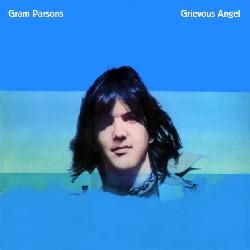
View original post 262 more words

Synthedelia: Psychedelic Electronic Music in the 1960s

1960s: Days of Rage's avatar1960s: Days of Rage


“‘Rock & roll is electronic music – because if you pull the plug, it stops.’ So says Louis ‘Cork’ Marcheschi of Fifty Foot Hose, whose sole album, Cauldron – a pioneering collision of abstract electronics and psychedelic rock originally released in 1967 – was reissued for the first time on vinyl at the end of 2017. Marcheschi’s remark is a reissue too, in a way. He originally made that assertion early in ’67 when he and guitarist David Blossom were drunkenly hatching the idea for Fifty Foot Hose, as a rock group that ‘really incorporated the concepts of electronic music not as sound effects but as a substantive part of the music.’ Fifty Foot Hose weren’t the only ’60s rockers who’d had this lightbulb moment. Although these bands were largely unaware of each other’s existence at the time, you could group Fifty Foot Hose among a confederacy of acid-era bands…

View original post 167 more words

Apocalypse Now (1979)/ Apocalypse Now Redux (2001) – Francis Ford Coppola

1960s: Days of Rage's avatar1960s: Days of Rage


Apocalypse Now is a 1979 American epicwar film directed, produced, and co-written by Francis Ford Coppola. It was co-written by John Milius with narration written by Michael Herr. It stars Marlon Brando, Robert Duvall, Martin Sheen, Frederic Forrest, Albert Hall, Sam Bottoms, Laurence Fishburne, and Dennis Hopper. The screenplay, written by Milius, adapts the story of Joseph Conrad‘s novella Heart of Darkness, changing its setting from late nineteenth-century Congo to the Vietnam War. It draws from Herr’s Dispatches and Werner Herzog‘s Aguirre, the Wrath of God (1972). The film revolves around Captain Benjamin L. Willard (Sheen), who is on a secret mission to assassinate Colonel Kurtz, a renegade Army officer who is presumed insane. The film has been noted for the problems encountered while making it, chronicled in the documentary Hearts of Darkness:…

View original post 363 more words